EU states endorsed a landmark free trade agreement with the Mercosur bloc of Latin American countries, comprising Argentina, Brazil, Paraguay, and Uruguay. The agreement, finalized after a quarter-century of negotiations, is projected to eliminate tariffs on over 90% of goods traded between the two regions, potentially saving EU exporters over €4 billion annually.
The deal aims to create a combined market of over 700 million consumers. Preliminary estimates suggest a potential increase in EU GDP of approximately 0.1% over the long term, driven by increased exports of manufactured goods, particularly automobiles and machinery, and services. Mercosur countries are expected to benefit from increased agricultural exports to the EU.
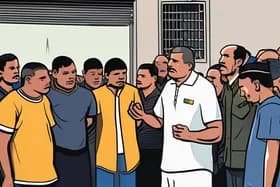
However, the agreement immediately sparked controversy, particularly within the agricultural sector. Farmers across Europe, notably in Poland, France, Greece, and Belgium, staged protests, blocking major roads in key cities like Paris, Brussels, and Warsaw. Their concerns center on the potential influx of cheaper agricultural products from Mercosur countries, which they fear will undercut domestic prices and threaten their livelihoods. This is compounded by differing environmental standards, with EU farmers subject to stricter regulations than their Mercosur counterparts.
The Mercosur bloc represents a significant market for EU businesses. In 2023, EU exports to Mercosur totaled approximately €45 billion, while imports from Mercosur reached €42 billion. Key sectors involved in trade between the two regions include automotive, machinery, chemicals, pharmaceuticals, and agricultural products. The agreement is intended to streamline trade processes and reduce non-tariff barriers, further boosting economic activity.
Looking ahead, the agreement faces significant hurdles before full implementation. Ratification by the European Parliament and individual member states is required, a process that could be lengthy and contentious given the strong opposition from certain sectors and political factions. The European Commission is expected to implement safeguard measures to protect sensitive agricultural sectors, but the effectiveness of these measures remains to be seen. The deal's long-term success hinges on addressing the concerns of European farmers and ensuring that environmental standards are upheld in both regions.
















Discussion
Join the conversation
Be the first to comment