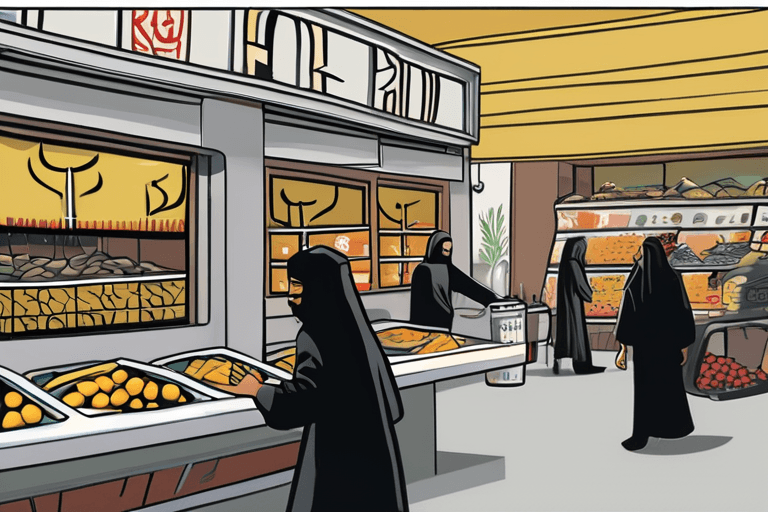
Protests persisted in Tehran's Grand Bazaar, a historically significant commercial hub, despite Supreme Leader Ali Khamenei's attempt to differentiate between legitimate economic concerns and what he characterized as anti-government rebellion. The demonstrations, which began earlier this month, saw authorities deploying tear gas against protesters who chanted slogans targeting the supreme leader and the Islamic Republic.
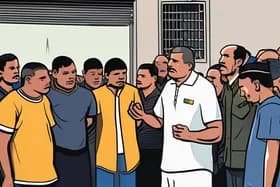
Khamenei publicly addressed the unrest, praising the bazaar merchants as traditionally loyal supporters of the regime. He argued that enemies of the state were attempting to exploit the bazaar to undermine the government. "We talk to protesters; the officials must talk to them, but there is no benefit to talking to rioters. Rioters must be put in their place," he stated, attempting to draw a line between economic grievances and political dissent.
The Tehran Bazaar holds significant cultural and economic weight in Iran. For centuries, it has served not only as a vital trading center but also as a focal point for social and political expression. Historically, bazaar merchants, known as "bazaaris," played a crucial role in past political movements, including the 1979 Islamic Revolution. Their shift towards protest reflects a growing discontent with the current economic climate and perceived government mismanagement.
The current protests are fueled by a combination of factors, including rising inflation, unemployment, and a decline in the value of the Iranian rial. International sanctions, reimposed after the United States withdrew from the Iran nuclear deal in 2018, have significantly impacted the Iranian economy, contributing to widespread economic hardship.
Analysts suggest that the government's attempts to suppress the protests through force and rhetoric may prove counterproductive. The bazaar's historical significance and its connection to the broader Iranian population mean that its discontent could galvanize further opposition. The international community is closely watching the situation, with many countries urging the Iranian government to address the underlying economic grievances and respect the right to peaceful protest. The future trajectory of the protests and the government's response remain uncertain.












Discussion
Join the conversation
Be the first to comment