Iranian cities prepared for further anti-government protests over the weekend, despite increased efforts by authorities to suppress the unrest. The demonstrations, which began in late December in response to a currency crisis, have expanded in scope and size, driven by widespread discontent with Iran's authoritarian government.
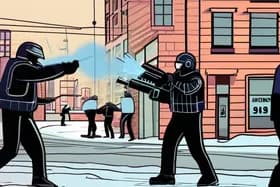
Tehran and other major Iranian cities experienced a second consecutive night of unrest Friday, despite an internet blackout implemented to hinder protesters' coordination. Witnesses reported protesters chanting slogans against the Islamic Republic, setting bonfires, and in some instances, setting buildings ablaze. Videos verified by The New York Times and BBC Persian television corroborated these accounts.
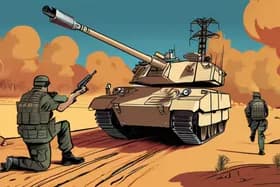
Iranian authorities have threatened severe repercussions for protesters. The country's armed forces issued a statement Saturday, vowing to protect strategic infrastructure and public property. Human rights groups estimate that dozens of protesters have been killed since the protests began in late December.
Supreme Leader Ayatollah Ali Khamenei stated Friday that the government would not yield to the protesters, whom he characterized as vandals.
The protests highlight deep-seated frustration within Iran over economic conditions, political restrictions, and social grievances. The initial trigger was the declining value of the Iranian currency, which has eroded purchasing power and fueled economic hardship for many Iranians. However, the protests have evolved to encompass broader demands for political reform and greater freedoms.
The government's response to the protests reflects its determination to maintain control and suppress dissent. The internet blackout, the deployment of security forces, and the threats of harsh punishment are all tactics aimed at quelling the unrest. However, these measures risk further inflaming public anger and potentially escalating the conflict.
The situation remains fluid, and the trajectory of the protests is uncertain. The government's ability to contain the unrest will depend on its willingness to address the underlying grievances driving the protests. Conversely, the protesters' ability to sustain their momentum will depend on their ability to overcome government repression and maintain public support. The coming days will be critical in determining the outcome of this latest wave of protests in Iran.












Discussion
Join the conversation
Be the first to comment