
3 min
AI Insights1h ago
ICE Shooting Sparks Minneapolis Protests Amid City-Wide Sweeps
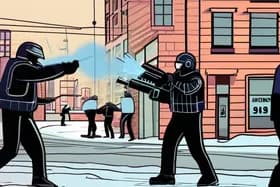
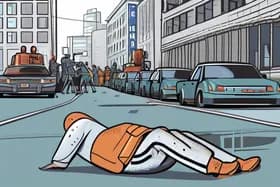
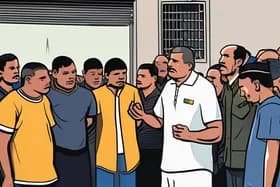
A large protest erupted in Minneapolis following a fatal ICE shooting and subsequent city-wide sweeps, reflecting growing fear and unrest within the community. Demonstrations, part of a nationwide movement, have occasionally turned violent, prompting calls for peace and highlighting the tension between immigration enforcement and public safety. The events underscore the societal impact of current immigration policies and the challenges of maintaining order amidst heightened emotions.

00










Discussion
Join the conversation
Be the first to comment