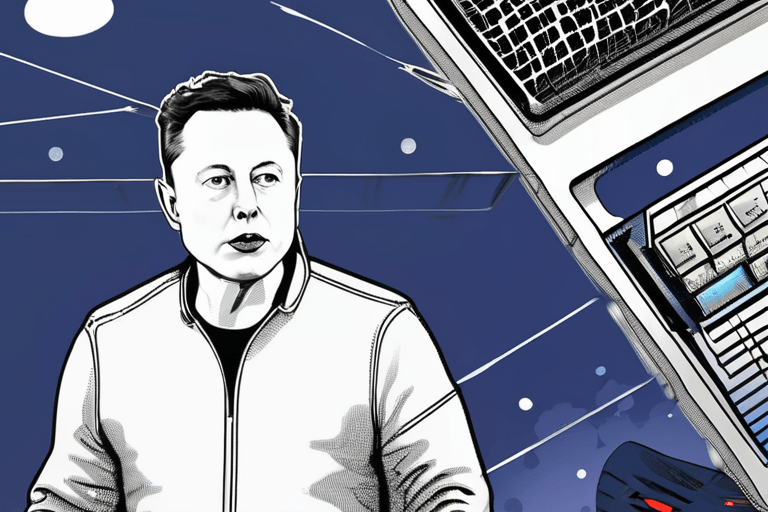
The digital brushstrokes of artificial intelligence are stirring up a storm in the UK. Elon Musk's Grok AI, touted as a revolutionary tool for image manipulation and information access, is facing a wave of criticism and scrutiny. While the promise of AI-powered creativity and knowledge is alluring, concerns about its potential misuse and accessibility are casting a long shadow.
Grok, integrated into Musk's social media platform X, allows users to generate and alter images with unprecedented ease. But this power comes with a catch. The UK government has expressed concerns about X limiting Grok AI image edits to users who subscribe to a premium tier, raising questions about equitable access to AI technology and the potential for further digital divides.
The core of the issue lies in the democratization of AI. While proponents argue that Grok empowers individuals and fosters creativity, critics worry that limiting access based on subscription models could exacerbate existing inequalities. Imagine a scenario where only those who can afford a premium subscription can use AI to create compelling visuals for their campaigns, businesses, or even personal narratives. This could lead to a skewed representation of reality and further marginalize voices that are already underrepresented.
"AI is a powerful tool, and like any tool, it can be used for good or ill," explains Dr. Anya Sharma, a leading AI ethicist at the University of Oxford. "The key is to ensure that its benefits are shared widely and that safeguards are in place to prevent its misuse. Limiting access based on economic status raises serious ethical concerns."
The debate surrounding Grok also touches upon the broader implications of AI-generated content. The ability to create realistic but fabricated images raises the specter of misinformation and manipulation. Deepfakes, for instance, could be used to spread false narratives, damage reputations, or even incite violence. The challenge lies in distinguishing between genuine content and AI-generated fakes, a task that is becoming increasingly difficult.
Furthermore, the algorithms that power Grok are not immune to bias. AI models are trained on vast datasets, and if these datasets reflect existing societal biases, the AI will inevitably perpetuate them. This could lead to discriminatory outcomes, such as AI-generated images that reinforce harmful stereotypes.
The UK government's scrutiny of Grok reflects a growing awareness of the potential risks associated with AI. Regulators are grappling with the challenge of balancing innovation with the need to protect citizens from harm. The debate is not about stifling technological progress but about ensuring that AI is developed and deployed responsibly.
Looking ahead, the future of AI in the UK hinges on finding a balance between innovation and regulation. Open dialogue, collaboration between industry and government, and a focus on ethical considerations are essential. As AI becomes increasingly integrated into our lives, it is crucial to ensure that its benefits are shared by all and that its potential risks are mitigated effectively. The backlash against Grok serves as a timely reminder of the importance of responsible AI development and the need for ongoing vigilance.














Discussion
Join the conversation
Be the first to comment