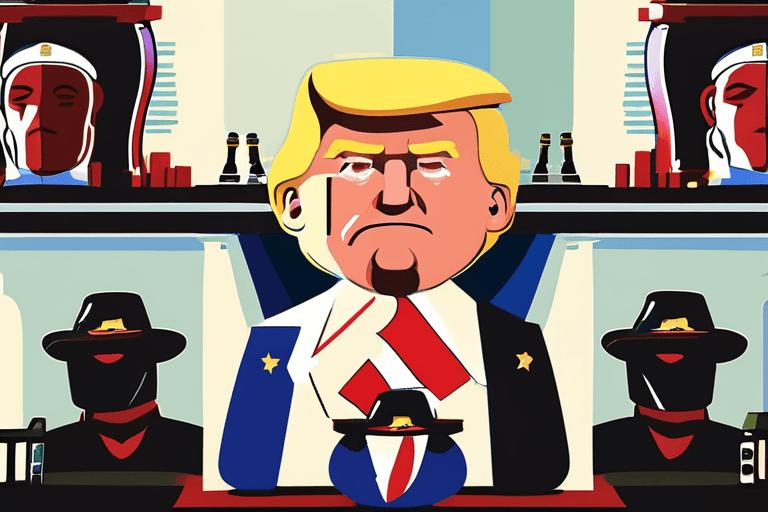
In early 2026, President Donald Trump's administration initiated an action against Venezuela, culminating in the seizure of its president, Nicolás Maduro. The day following the operation, while en route from Florida to Washington D.C., Trump reportedly told reporters aboard Air Force One that the U.S. government was now in control of Venezuela and that American companies were prepared to exploit the country's oil reserves.
Trump, according to sources present, alluded to potential similar actions against other nations. The operation in Venezuela, he stated, was achieved without any U.S. casualties, though Venezuelan and Cuban lives were lost.
The events have sparked debate regarding the nature of U.S. foreign policy under the Trump administration. Some analysts view the action as a manifestation of a new form of American imperialism, characterized by overt intervention and resource extraction. Others argue that it represents a continuation of established U.S. foreign policy, albeit one stripped of diplomatic pretense.
Critics of the administration's actions point to the potential violation of international law and the disregard for Venezuelan sovereignty. Supporters, however, maintain that the intervention was justified due to alleged corruption and human rights abuses under the Maduro regime. They argue that the U.S. has a responsibility to protect its interests and promote stability in the region.
Policy details surrounding the U.S.'s future involvement in Venezuela remain unclear. The administration has yet to formally announce a comprehensive plan for governing the country or managing its oil resources. However, Trump's statements suggest a significant shift in U.S. foreign policy towards a more assertive and interventionist approach.
The international community has reacted with a mix of condemnation and support. Some nations have denounced the U.S. action as a violation of international law, while others have expressed cautious support, citing concerns about the situation in Venezuela. The United Nations has called for a peaceful resolution to the crisis and urged all parties to respect the sovereignty of Venezuela.
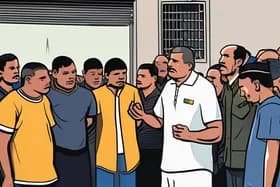
The situation in Venezuela remains fluid, with ongoing protests and political instability. The future of the country and the role of the U.S. remain uncertain. Further developments are expected as the Trump administration clarifies its policy and engages with the international community.
















Discussion
Join the conversation
Be the first to comment