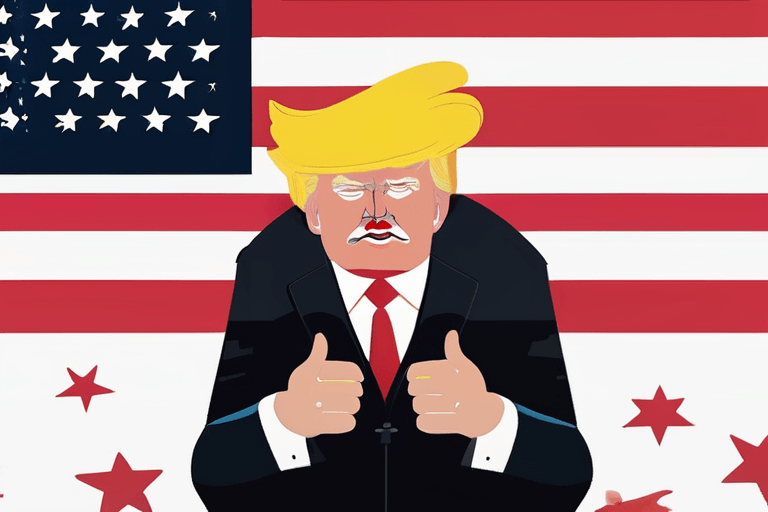
In early 2026, President Donald Trump's administration initiated an operation targeting Venezuela, culminating in the seizure of President Nicolás Maduro. The day following the event, while en route from Florida to Washington D.C., Trump reportedly told reporters aboard Air Force One that the U.S. government was now in control of Venezuela and that American companies were prepared to exploit the nation's oil reserves.
Trump alluded to potential similar actions against other countries, raising questions about a shift towards a more expansionist U.S. foreign policy. The operation in Venezuela, while reportedly resulting in no U.S. casualties, allegedly led to fatalities among Venezuelan and Cuban individuals.
The events have sparked debate regarding whether this represents a new form of American imperialism or simply a continuation of traditional U.S. foreign policy, albeit presented without the usual diplomatic rhetoric. Some analysts argue that the Trump administration's actions are a departure from established norms and signal a willingness to exert direct control over foreign nations for economic gain. Others contend that the U.S. has historically intervened in the affairs of other countries, particularly in Latin America, and that Trump's approach is merely a more overt expression of this long-standing practice.
Critics of the administration's actions point to potential violations of international law and the potential for destabilizing the region. Supporters, on the other hand, argue that the intervention was necessary to address what they perceive as a corrupt and authoritarian regime in Venezuela.
The situation remains fluid, and the long-term consequences of the U.S. intervention in Venezuela are yet to be seen. The international community is closely monitoring developments, and various nations have expressed concerns about the potential for further escalation. The U.S. government has yet to release a comprehensive policy statement outlining its plans for Venezuela's future.

















Discussion
Join the conversation
Be the first to comment