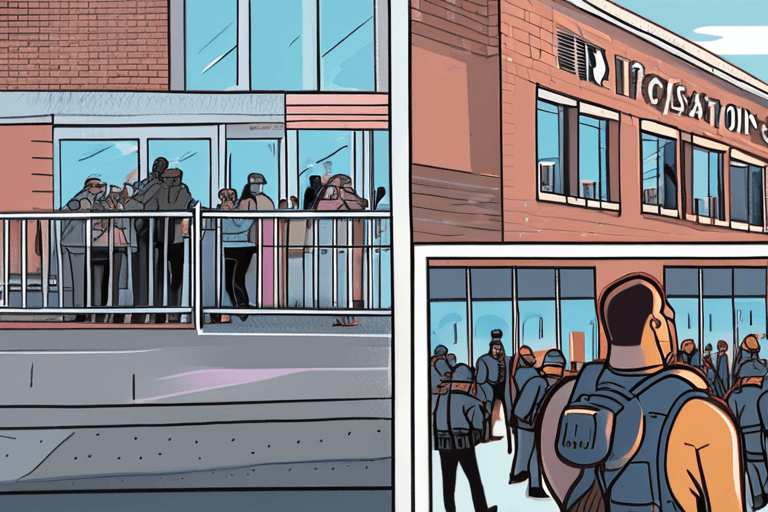
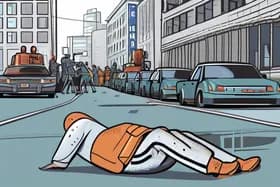
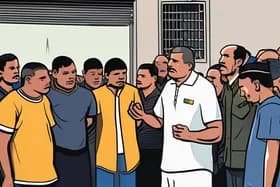
Thousands of people protested in Minneapolis on Saturday following the fatal shooting of a woman by a U.S. Immigration and Customs Enforcement (ICE) officer and recent ICE activity in the city. The demonstration was part of a nationwide series of protests addressing immigration enforcement actions.
The Minneapolis protest stemmed from the death of Renee Good, who was shot and killed by an ICE officer on Wednesday. Demonstrators also voiced concerns over the shooting of two people in Portland, Oregon, during similar circumstances. Meghan Moore, a Minneapolis resident and mother of two, expressed the prevailing sentiment, stating, "We’re all living in fear right now. ICE is creating an environment where nobody feels safe and that’s unacceptable."
A protest the previous night outside a Minneapolis hotel, attended by approximately 1,000 people, escalated into violence. Minneapolis Police Chief Brian O'Hara reported that demonstrators threw ice, snow, and rocks at officers, resulting in minor injuries to one officer struck by ice. Twenty-nine individuals were cited and released following the incident, according to O'Hara.
Mayor Jacob Frey acknowledged that while most protests remained peaceful, acts of property damage and endangerment would not be tolerated. He urged demonstrators to maintain peaceful conduct.
The protests highlight growing concerns about ICE's enforcement tactics and their impact on communities. Such immigration sweeps and enforcement actions have become increasingly scrutinized, raising questions about due process and the potential for racial profiling. The Department of Homeland Security, which oversees ICE, has faced mounting pressure to reform its practices and prioritize enforcement efforts on individuals deemed a threat to national security or public safety.
The situation in Minneapolis remains tense, with community leaders calling for transparency and accountability in the investigation of Renee Good's death. Further protests are expected as activists continue to demand changes to immigration enforcement policies.












Discussion
Join the conversation
Be the first to comment