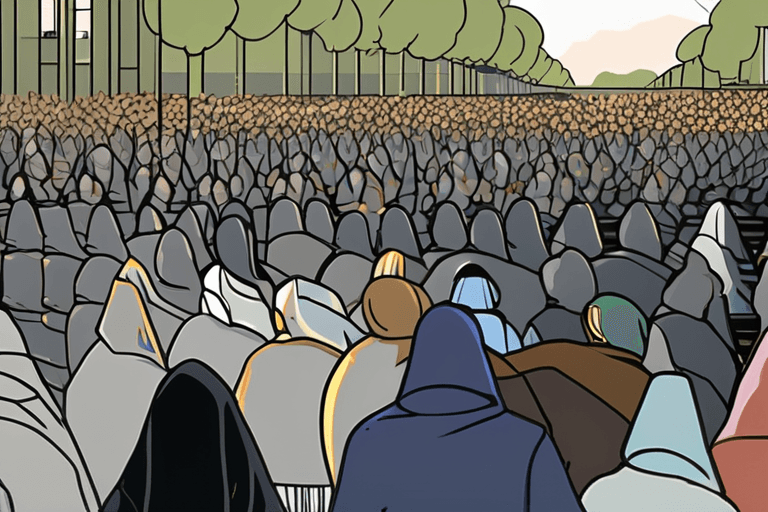
A severe crackdown by the Iranian government on protesters has resulted in a significant increase in the death toll, according to reports from rights groups. The groups estimate casualties in the hundreds, with no indication of de-escalation from Iranian authorities.
Despite a near-total internet shutdown and severe restrictions on phone communications affecting the country's 80 million residents, reports including verified videos depicting protester deaths and bodies in bags outside hospitals have begun to surface. The situation began two weeks ago as a protest against economic issues. Some experts are characterizing the escalating crisis as one of the most serious challenges to the government since the Islamic Revolution nearly five decades ago.
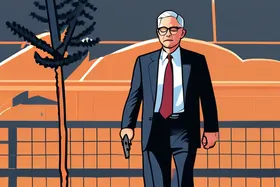
President Masoud Pezeshkian, who initially expressed some understanding of the protesters' concerns, adopted a more assertive position in a recent interview broadcast on Iranian state television. He stated his commitment to addressing public anger over the economy but also vowed to prevent rioters from destabilizing the nation.
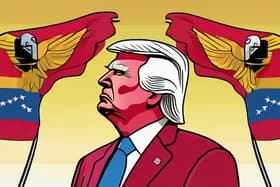
Late Sunday, President Trump warned that the United States would intervene if the Iranian government killed peaceful protesters.
The protests initially focused on economic grievances, including rising inflation and unemployment. However, they have since expanded to include broader demands for political and social reform. The Iranian government has blamed foreign entities for instigating the unrest, a claim that has been disputed by international observers.
The internet blackout implemented by the Iranian government raises concerns about the use of AI-powered censorship and surveillance. AI algorithms can be used to identify and suppress dissenting voices online, making it difficult for protesters to organize and share information. This also limits the ability of international media and human rights organizations to accurately assess the situation on the ground.
The current status of the protests remains fluid, with reports of ongoing demonstrations in various cities. The government's response is expected to continue to be firm, and further clashes between protesters and security forces are anticipated. International pressure on Iran to respect human rights and allow for peaceful assembly is likely to intensify.










Discussion
Join the conversation
Be the first to comment