The news rippled through Wall Street like a rogue algorithm destabilizing a carefully balanced portfolio: Federal Reserve Chairman Jerome Powell is under criminal investigation. In a stunning announcement, Powell revealed that the Justice Department has launched a probe into his testimony before a Senate committee, a move he characterized as "unprecedented" and potentially politically motivated. But what does this mean for the Fed, the economy, and the very concept of independent monetary policy?
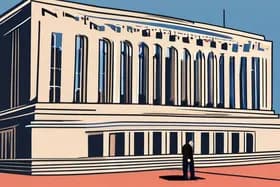
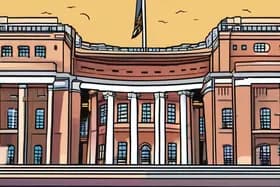
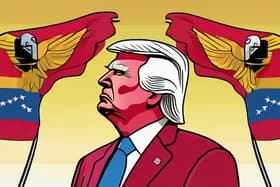
The investigation reportedly centers on Powell's statements regarding renovations to Federal Reserve buildings. While the specific details remain murky, the timing and context are raising eyebrows. Powell himself suggested the probe is a direct result of his refusal to bow to pressure from former President Donald Trump to lower interest rates. This accusation throws into sharp relief the delicate balance between political influence and the Fed's mandated independence.
The Federal Reserve, often described as the central bank of the United States, plays a crucial role in managing the nation's economy. Its primary tools include setting interest rates and controlling the money supply. These decisions, ideally based on economic data and forecasts, have a profound impact on everything from mortgage rates to business investment. The Fed's independence is considered vital to ensure these decisions are made in the best long-term interests of the economy, free from short-term political considerations.
"This is about whether the Fed will be able to continue to set interest rates based on evidence and economic conditions, or whether instead monetary policy will be directed by political pressure or intimidation," Powell stated, underscoring the gravity of the situation.
The investigation raises fundamental questions about the integrity of the Fed and the potential for political interference in monetary policy. If a Fed chair can be subjected to criminal investigation for resisting political pressure, it could create a chilling effect, potentially leading future leaders to prioritize political expediency over sound economic judgment.
The Justice Department and the White House have yet to comment on the investigation. However, the implications are already being debated by economists and legal experts. Some argue that the investigation, regardless of its merits, could undermine confidence in the Fed and destabilize financial markets. Others maintain that accountability is paramount, and that no one, including the Fed chair, is above the law.
"The independence of the Federal Reserve is a cornerstone of our economic stability," says Dr. Anya Sharma, an economist at the Brookings Institution. "Any perceived threat to that independence can have significant consequences for investor confidence and economic growth."
The investigation into Jerome Powell comes at a critical juncture for the US economy. Inflation remains stubbornly high, and the Fed is navigating a delicate path to bring it under control without triggering a recession. The added uncertainty surrounding the Fed chair could further complicate this already challenging task.
Looking ahead, the outcome of the investigation will have far-reaching implications. A finding of wrongdoing could severely damage Powell's credibility and potentially force his resignation. Conversely, if the investigation is deemed politically motivated, it could strengthen the case for greater protections for the Fed's independence. Regardless, the probe serves as a stark reminder of the constant tension between political power and the crucial role of independent institutions in a democratic society. The unfolding events will undoubtedly be closely watched by financial markets and policymakers around the world.
















Discussion
Join the conversation
Be the first to comment