Nuclear startups are experiencing a surge in popularity, attracting significant investor interest due to optimism surrounding smaller, more manageable reactor designs. In the final weeks of 2025, these startups collectively raised $1.1 billion, fueled by the belief that smaller nuclear reactors can overcome the challenges that have plagued the broader nuclear industry.
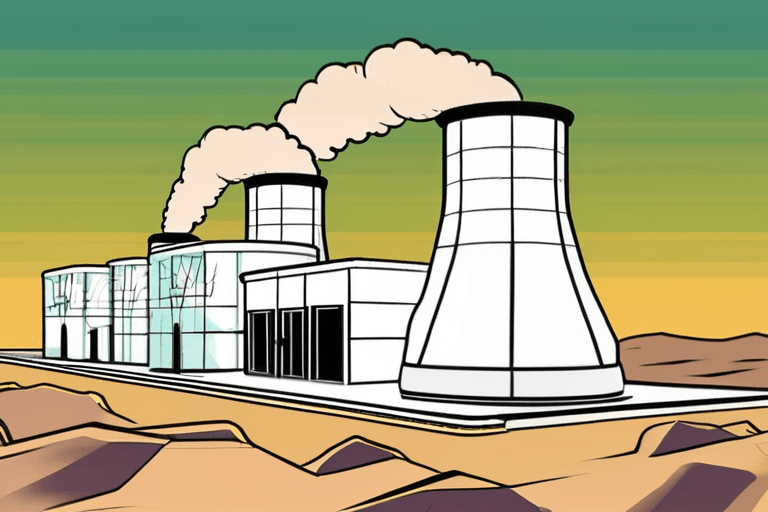
Traditional nuclear reactors, exemplified by the recently completed Vogtle 3 and 4 reactors in Georgia, are massive undertakings. These plants utilize tens of thousands of tons of concrete, are powered by 14-foot-tall fuel assemblies, and each generates over 1 gigawatt of electricity. However, the Vogtle project also faced significant setbacks, finishing eight years behind schedule and exceeding its budget by more than $20 billion.
The new generation of nuclear startups aims to avoid these pitfalls by developing smaller reactors. The core concept is that by reducing the size and complexity of the reactor, construction can be streamlined, and costs can be controlled. The modular nature of these smaller reactors allows for scalability; as power demands increase, more reactors can be added.
A key aspect of this approach is the potential for mass production. Startups argue that smaller reactors can be manufactured using techniques similar to those employed in other industries. As companies produce more reactors and components, they anticipate improvements in efficiency and a reduction in manufacturing costs. While the extent of these cost savings is still under investigation by experts, the success of these startups hinges on achieving significant economies of scale.
The challenge of manufacturing these reactors should not be underestimated. The nuclear industry requires precision engineering and adherence to stringent safety standards.
















Discussion
Join the conversation
Be the first to comment