Nuclear startups are experiencing a surge in investment as confidence grows in the potential of smaller nuclear reactors to overcome the challenges that have plagued the broader industry. In the final weeks of 2025, these startups secured $1.1 billion in funding, fueled by investor optimism.
Traditional nuclear reactors, exemplified by the recently completed Vogtle 3 and 4 reactors in Georgia, are massive undertakings. These reactors utilize tens of thousands of tons of concrete, are powered by 14-foot fuel assemblies, and each generates over 1 gigawatt of electricity. However, the Vogtle project was significantly delayed, coming in eight years behind schedule and exceeding its budget by more than $20 billion.
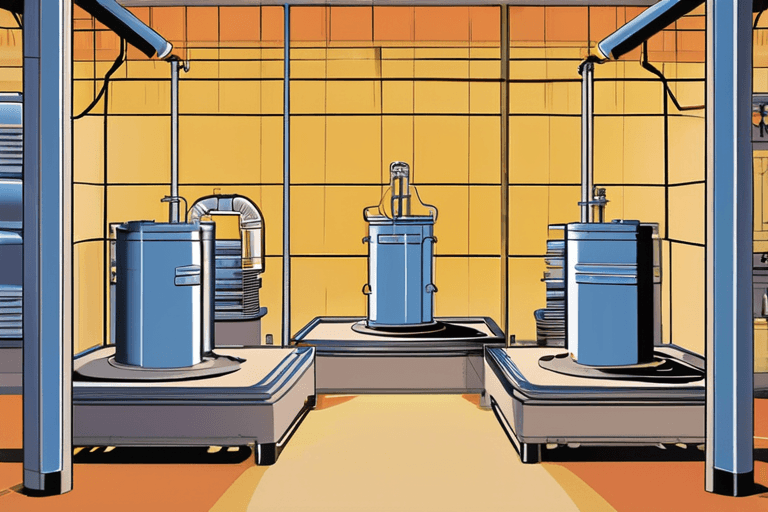
The new generation of nuclear startups is betting on a different approach: smaller reactors. The core concept is that by reducing the size of the reactor, companies can avoid the pitfalls of large-scale projects. The modular nature of small reactors allows for incremental power increases by simply adding more units.
These startups argue that smaller reactors can be built using mass production techniques. This approach aims to leverage economies of scale, where increased production leads to improved manufacturing processes and reduced costs. Experts are currently researching the extent of these cost benefits, but the success of these startups hinges on achieving significant cost reductions through mass manufacturing.
The potential impact of successful small reactor technology is substantial. By offering a more manageable and cost-effective alternative to traditional nuclear power plants, these startups could play a significant role in meeting growing energy demands while reducing carbon emissions. However, the challenges of manufacturing complex nuclear components at scale remain significant.

















Discussion
Join the conversation
Be the first to comment