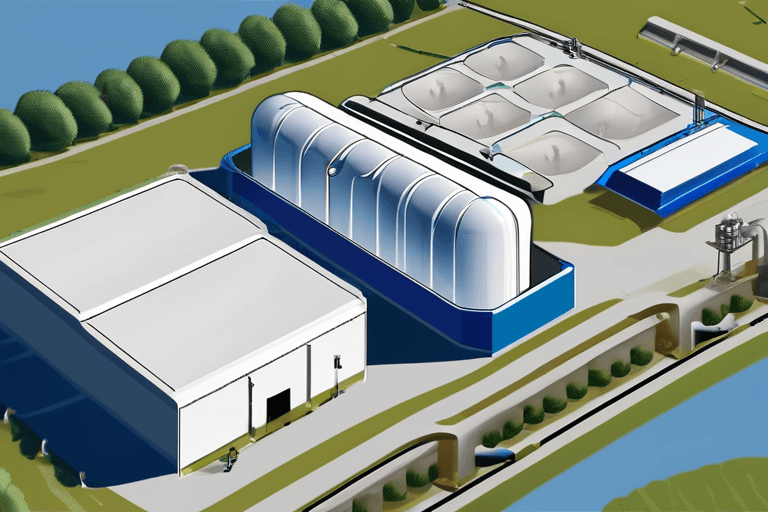
Ammobia, a startup focused on ammonia production, announced it has refined the century-old Haber-Bosch process, potentially reducing production costs by up to 40%. The company secured $7.5 million in seed funding to scale its technology, according to information exclusively shared with TechCrunch.
The funding round included investments from Air Liquide's venture arm ALIAD, Chevron Technology Ventures, Chiyoda Corporation, MOL Switch, and Shell Ventures. Ammobia aims to demonstrate the viability of its enhanced Haber-Bosch process on a larger scale, potentially unlocking new applications for ammonia beyond its traditional use as a fertilizer.
The Haber-Bosch process, developed in the early 20th century, is the primary method for synthesizing ammonia, a critical component in fertilizers that sustains global food production. Despite its importance, the process has seen limited innovation in the past century. Ammobia's advancements could significantly impact the cost and accessibility of ammonia production.
Beyond fertilizer, ammonia is gaining traction as a potential alternative to hydrogen in decarbonizing various industries. Countries such as Japan and South Korea are exploring ammonia's role in their industrial and transportation sectors. "The big advantage of ammonia is that it’s much easier and more cost-effective to transport and store," the company stated. This addresses a key challenge associated with hydrogen, which requires specialized and expensive infrastructure for transportation and storage due to its low energy density.
Ammobia's success could pave the way for wider adoption of ammonia as a clean energy carrier and fuel, potentially impacting industries ranging from power generation to shipping. The company's focus on improving the Haber-Bosch process aligns with global efforts to reduce the environmental footprint of ammonia production, which is currently energy-intensive. The seed funding will enable Ammobia to further develop and validate its technology, bringing it closer to commercial deployment.


















Discussion
Join the conversation
Be the first to comment