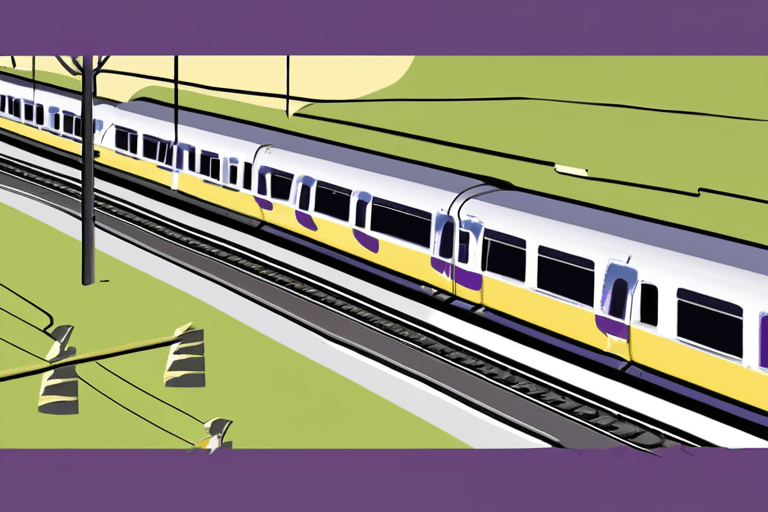
Chancellor Rachel Reeves asserted that major rail improvements in northern England are slated to proceed, despite skepticism surrounding the project's viability. Reeves acknowledged the HS2 rail project's reputation for problematic planning, emphasizing the government's commitment to delivering the Northern Powerhouse Rail (NPR) scheme.
The NPR project, a multibillion-pound initiative, aims to enhance connectivity between northern towns and cities through upgraded and new rail lines, as well as station improvements. The goal is to stimulate regional transformation and bolster the UK economy. Reeves stated that the public should experience tangible improvements by the early 2030s, although construction on new sections of the route will not commence until after 2030.
According to Reeves, upgrades are already underway on the Leeds to Manchester section of the route. Passengers should begin to benefit from these improvements sooner, as the government intends to implement changes incrementally rather than waiting for the entire line to be completed. "We're not going to wait until the whole line is built for people to be able to see the benefits," Reeves told the BBC. She also acknowledged public cynicism surrounding the project.
The Northern Powerhouse Rail project has been in discussion for over a decade. It represents a significant infrastructure investment aimed at addressing long-standing transportation challenges in the north of England. The project's success is seen as crucial for rebalancing the UK economy and promoting regional growth. The government's vision is that improved rail links will facilitate business, attract investment, and create jobs across the region.
The current status involves ongoing planning and preparatory work for various sections of the NPR route. The government is expected to release further details on the project's timeline and funding arrangements in the coming months. The focus remains on delivering tangible improvements to rail services in the north of England, despite the challenges and skepticism surrounding the project.

















Discussion
Join the conversation
Be the first to comment