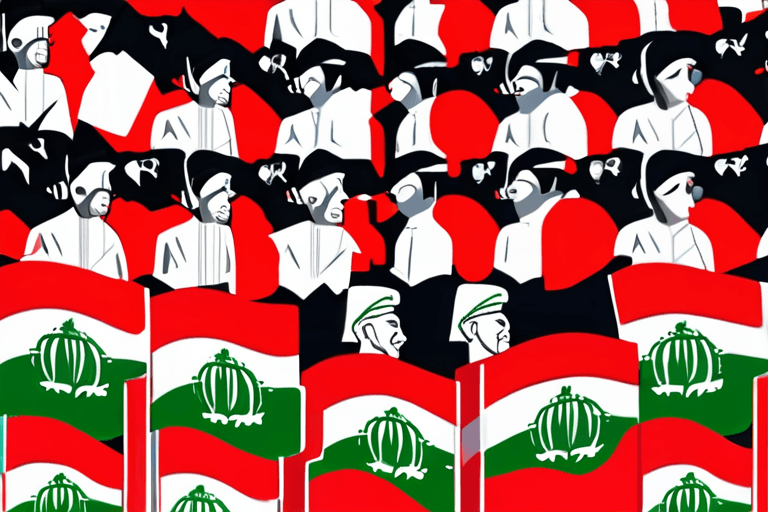
Western leaders' condemnation of Iran's crackdown on nationwide protests has sparked accusations of hypocrisy, with critics pointing to instances where these same nations have been accused of suppressing their own citizens' protest rights. The allegations of double standards, reported on January 14, 2026, by Al Jazeera, raise questions about the consistency of advocating for free speech abroad while allegedly curtailing it at home.
Nada Qaddourah, reporting for Al Jazeera, highlighted several instances where Western nations, while publicly criticizing Iran's actions, faced scrutiny for their own handling of protests and dissent. These instances included measures taken to control demonstrations, restrictions on online speech, and the use of surveillance technologies.
The debate centers on the interpretation of free speech and the permissible limitations governments can impose in the name of national security or public order. Critics argue that some Western nations have adopted overly broad definitions of these limitations, effectively silencing dissenting voices and hindering legitimate protest. This, they contend, undermines the credibility of their criticism of Iran's human rights record.
Advocates for the Western governments' actions maintain that the measures taken were necessary to prevent violence, maintain order, and protect the rights of other citizens. They argue that there is a fundamental difference between proportionate responses to maintain public safety and the systematic suppression of dissent alleged in Iran.
The situation is further complicated by the increasing use of technology to monitor and control protests. Facial recognition software, social media surveillance, and data analytics are now commonly employed by law enforcement agencies in many countries, raising concerns about privacy and the potential for chilling effects on free expression. The industry impact of these technologies is significant, with companies developing and selling these tools facing ethical questions about their role in potential human rights abuses.
The controversy surrounding the alleged double standards is likely to continue, particularly as protests and social unrest become increasingly common globally. The challenge for Western leaders lies in striking a balance between protecting public safety and upholding the fundamental right to free expression, both at home and abroad. The next developments will likely involve further scrutiny of government policies and practices related to protest management, as well as ongoing debates about the ethical implications of surveillance technologies.
















Discussion
Join the conversation
Be the first to comment