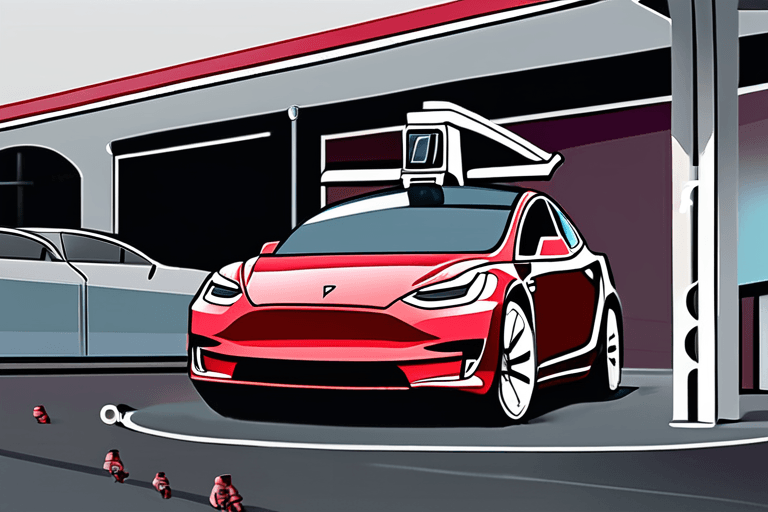
Tesla's strategic shift to a subscription-only model for its Full Self-Driving (Supervised) software is poised to reshape the company's revenue streams and potentially influence the broader autonomous vehicle market. CEO Elon Musk announced the change on Wednesday, eliminating the option for customers to purchase the FSD suite with a one-time payment.
The move has significant financial implications for Tesla. Previously, the company offered FSD at prices that peaked at $15,000 in 2022, later reduced to $8,000. In 2021, Tesla introduced a monthly subscription option at $199, which was subsequently lowered to $99 in 2024. By transitioning exclusively to a subscription model, Tesla aims to create a more predictable and recurring revenue stream. This could be crucial for Musk's compensation package, which is partly tied to the company's market capitalization, and could provide a more stable financial foundation to navigate ongoing legal challenges.
The decision arrives as the global automotive industry intensifies its efforts in advanced driver-assistance systems (ADAS). Automakers worldwide are investing heavily to develop competing technologies, aiming to challenge Tesla's dominance in this sector. This competitive landscape underscores the pressure on Tesla to continually innovate and refine its FSD offering to maintain its market position. The subscription model may allow Tesla to more easily deploy software updates and improvements, keeping its technology competitive on a global scale.
Tesla's FSD, while advanced, still requires human supervision and does not constitute full autonomy. The company has been selling access to this software suite for years, adjusting pricing and access models. The shift to subscriptions reflects a broader trend in the software industry, where recurring revenue models are favored for their stability and predictability. However, it also raises questions about consumer acceptance, particularly in markets where car ownership is less common or where consumers are more accustomed to upfront purchases.
Looking ahead, the success of Tesla's subscription-only FSD model will depend on several factors, including the continued improvement of the software, its pricing relative to competing offerings, and consumer willingness to embrace the subscription approach. The global implications of this shift could be substantial, potentially influencing how other automakers market and monetize their own ADAS technologies. The move also places greater emphasis on Tesla's ability to deliver consistent value and updates to its subscribers, ensuring the long-term viability of this new business model in a rapidly evolving market.













Discussion
Join the conversation
Be the first to comment