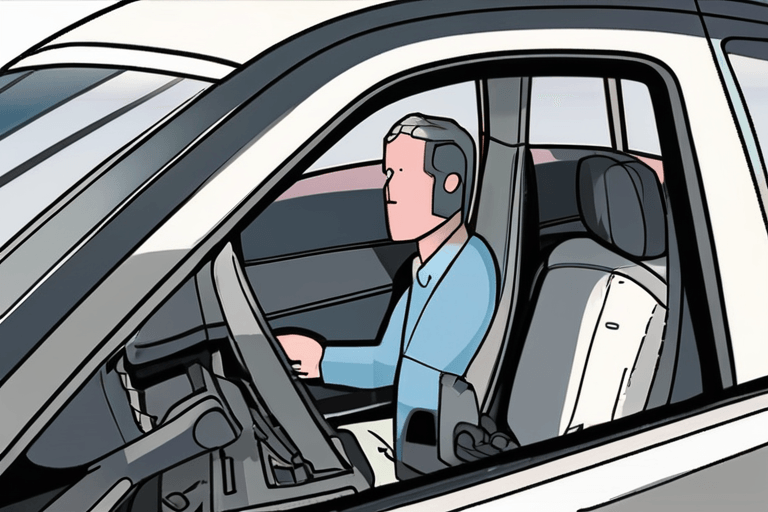
Crash testing organizations are suggesting a potential resurgence of physical buttons in vehicle interiors by 2026, driven by safety concerns related to the increasing reliance on touchscreens. The shift comes as automotive designers grapple with trends, including larger wheel sizes and the integration of artificial intelligence (AI) into infotainment systems.
The trend towards touchscreen-heavy interfaces, while aesthetically modern, has raised concerns about driver distraction. The National Highway Traffic Safety Administration (NHTSA) has been studying the impact of in-vehicle technology on driver behavior, with preliminary findings suggesting that complex touchscreen operations can divert attention from the road. "The goal is to minimize cognitive load," said Dr. Emily Carter, a cognitive psychologist specializing in human-machine interaction. "Physical buttons offer tactile feedback, allowing drivers to make adjustments without taking their eyes off the road."
AI's role in automotive interfaces is also under scrutiny. While AI-powered voice assistants promise hands-free control, their reliability and accuracy remain inconsistent. Furthermore, the integration of AI raises ethical questions about data privacy and algorithmic bias. "We need to ensure that AI systems in cars are transparent, explainable, and designed to prioritize safety," stated Dr. Kenji Tanaka, a professor of AI ethics.
The automotive industry's embrace of trends like piano black trim, known for its susceptibility to scratches and fingerprints, highlights the cyclical nature of design preferences. The potential return to physical buttons reflects a growing recognition that functionality and safety should take precedence over purely aesthetic considerations.
Automakers are now exploring hybrid approaches, combining physical buttons with touchscreen interfaces. Some manufacturers are experimenting with haptic feedback technology to improve the tactile experience of touchscreens. The next few years will likely see a gradual shift towards more balanced and user-friendly interfaces, with crash testing results playing a significant role in shaping design decisions.

















Discussion
Join the conversation
Be the first to comment