The future of the multi-billion dollar data center industry may be facing an unexpected challenge: the rise of on-device AI. A shift towards processing data locally on smartphones and laptops, rather than relying on massive remote data centers, could disrupt the established order.
Perplexity CEO Aravind Srinivas recently suggested that powerful, personalized AI tools capable of running directly on consumer devices could eventually render large data centers obsolete. This vision hinges on the increasing power of hardware embedded in everyday gadgets, potentially diminishing the need for constant data transmission to and from remote servers.
Currently, AI functionality largely depends on data centers, representing a significant operational expense for tech companies. While specific cost breakdowns are closely guarded, industry analysts estimate that data center operations can account for up to 30% of a tech firm's operating budget, depending on the scale of their AI initiatives. A move towards on-device processing could therefore lead to substantial cost savings.
Apple's recent introduction of Apple Intelligence, which runs some features on specialized chips within its latest product line, exemplifies this trend. The company claims that this approach not only accelerates AI operations but also enhances data security. Microsoft's Copilot laptops similarly incorporate on-device AI processing capabilities. However, these features are currently limited to premium devices, as standard equipment often lacks the necessary processing power for complex AI tasks.
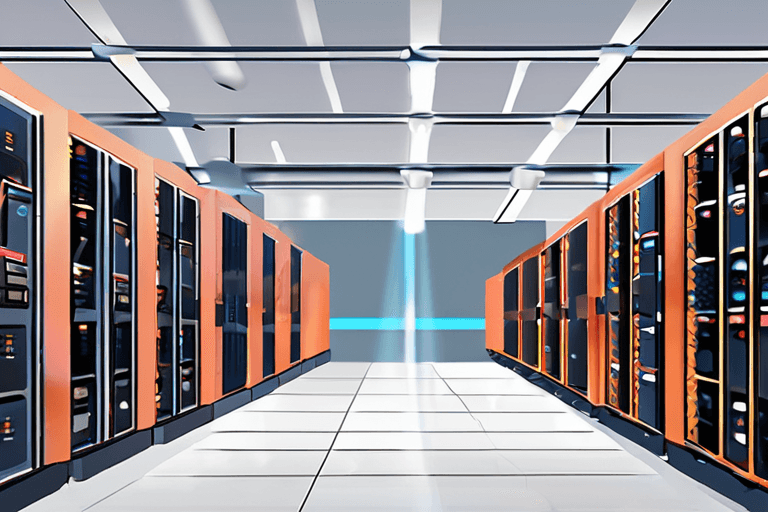
The implications for the data center market are potentially profound. While the construction of vast data centers continues apace, driven by the current demand for cloud computing and AI, a future where processing shifts to the edge could reshape the industry landscape. Data center providers may need to adapt by offering more specialized services or focusing on applications that cannot be efficiently handled on individual devices. The long-term viability of large-scale data centers will depend on the continued development of powerful and efficient on-device AI technology, and its adoption across a wider range of consumer devices.

















Discussion
Join the conversation
Be the first to comment