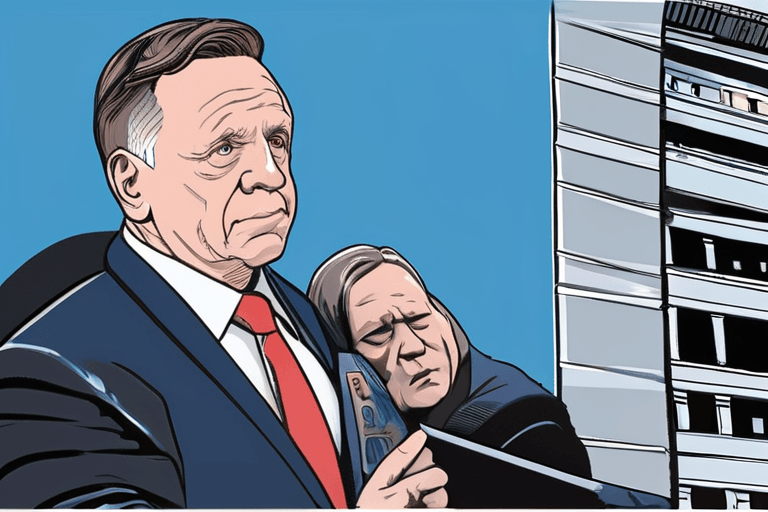
François Legault resigned as premier of Quebec on Wednesday, marking a sudden end to his leadership of the province. Speaking at a hastily called press conference in Quebec City, Legault stated that serving as premier was "the greatest honour of my life."
Legault's resignation follows a period of instability within the governing Coalition Avenir Québec (CAQ) party. The CAQ, which Legault founded, secured consecutive majority governments beginning in 2018. His departure leaves the party facing an uncertain future and the prospect of significant electoral losses in upcoming elections.
The reasons behind Legault's decision were not explicitly stated, though the premier alluded to the challenges facing his government. His tenure has been marked by both successes and controversies, including policies on language, immigration, and secularism. One particularly contentious policy involved banning prayer in public institutions, which drew criticism from civil rights groups.
Legault will remain in office until the CAQ selects a new leader. The leadership selection process is expected to take several months, leaving the party in a potentially vulnerable position. The interim period will likely see increased scrutiny of the CAQ's policies and direction, as potential leadership contenders emerge and articulate their visions for the party and the province. The political landscape in Quebec is now poised for significant shifts as the CAQ navigates this transition and opposition parties strategize for future elections.



















Discussion
Join the conversation
Be the first to comment