Protests in Iran, initially triggered by economic grievances, escalated into widespread unrest over a 17-day period, marking the country's most significant upheaval in recent years. The Iranian government attributed the violence to foreign interference, while former U.S. President Donald Trump issued repeated threats of potential military intervention.
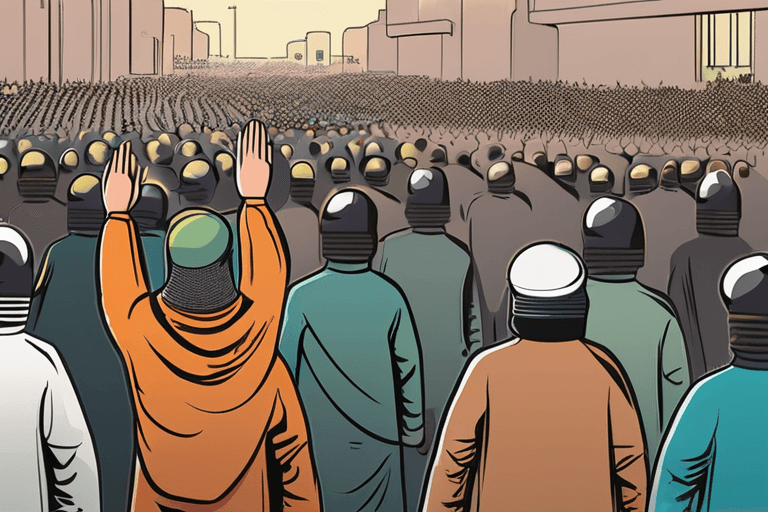
The unrest began on January 1, 2026, with demonstrations focused on rising inflation and unemployment. These protests quickly spread from Tehran to other major cities, including Isfahan and Mashhad. Demonstrators increasingly voiced broader discontent with the government's policies and the country's political system.
"The economic situation is unbearable," said a protester in Tehran, speaking to Al Jazeera on January 8, 2026, under condition of anonymity. "People are tired of empty promises and corruption."
The Iranian government responded with a combination of force and rhetoric. Security forces deployed tear gas and water cannons to disperse crowds, and numerous arrests were made. State media outlets reported that several individuals were killed in clashes between protesters and security personnel.
On January 10, 2026, Supreme Leader Ayatollah Ali Khamenei addressed the nation, accusing foreign powers, specifically the United States and Israel, of instigating the unrest. "Our enemies are using economic grievances to undermine the Islamic Republic," he stated in a televised address.
Trump, in a series of tweets, voiced support for the protesters and condemned the Iranian government's response. He reiterated his administration's policy of maximum pressure on Iran, threatening further sanctions and even military action if the government continued to suppress the protests.
The protests occurred against a backdrop of ongoing economic challenges in Iran, exacerbated by international sanctions and internal mismanagement. The country's economy had been struggling since the U.S. withdrew from the Iran nuclear deal in 2018 and reimposed sanctions.
Analysts noted that the protests highlighted deep-seated frustrations within Iranian society. "These protests are not just about the economy," said Dr. Sanam Vakil, a senior fellow at Chatham House, in a statement released on January 12, 2026. "They reflect a broader sense of disillusionment with the political system and a desire for greater freedoms."
As of January 14, 2026, the protests continued in several cities, although their intensity had diminished. The Iranian government maintained a heavy security presence and restricted access to the internet in an attempt to control the flow of information. The long-term impact of the protests on Iran's political landscape remained uncertain.













Discussion
Join the conversation
Be the first to comment