Scientists have sequenced a full genome of a woolly rhinoceros from a 14,400-year-old sample found in the stomach of a wolf puppy. The discovery sheds light on the population dynamics of the extinct megafauna species in the centuries leading up to its demise.
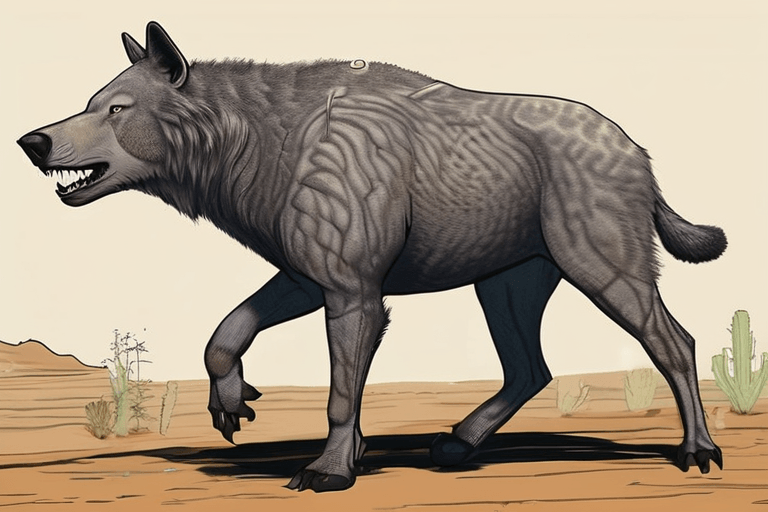
The preserved remains of the Ice Age wolf puppy, discovered near Tumat village in Siberia, contained a partially digested chunk of meat that DNA testing identified as woolly rhinoceros. Sólveig Guðjónsdóttir, a paleogeneticist at Stockholm University, and her team extracted and sequenced the genome from this sample. The findings offer insights into the genetic diversity and potential vulnerabilities of the woolly rhino population before extinction.
Woolly rhinoceroses were massive creatures, weighing around two metric tons, that roamed the tundras of Europe and Asia during the Ice Age. Their extinction, like that of other megafauna species, has been a subject of scientific debate, with climate change and human hunting often cited as contributing factors. Analyzing the genome from the wolf puppy's last meal provides a unique opportunity to understand the genetic health and adaptability of these animals.
The sequenced genome allows researchers to examine the genetic makeup of the woolly rhino population, potentially revealing information about inbreeding, disease susceptibility, and adaptation to environmental changes. This data can then be compared to other woolly rhino remains found across their geographical range to paint a more complete picture of their population history.
Guðjónsdóttir and her colleagues are continuing to analyze the genome data, hoping to identify specific genes that may have played a role in the woolly rhino's extinction. The research highlights the potential of ancient DNA analysis, even from small or degraded samples, to provide valuable insights into the past and inform conservation efforts for modern species. The study's findings were recently published, further detailing the methods used and the specific genetic markers identified.


















Discussion
Join the conversation
Be the first to comment