Ever find yourself staring at a mountain of laundry, only to be inexplicably drawn to the siren song of your phone? You're not alone. Procrastination, that universal human experience, might finally have a neurological explanation, thanks to a fascinating new study that peers into the very circuits of the brain.
For years, psychologists have explored the behavioral and emotional roots of procrastination. We know that fear of failure, perfectionism, and even simple boredom can contribute to putting things off. But what if the answer lies deeper, in the intricate wiring of our brains?
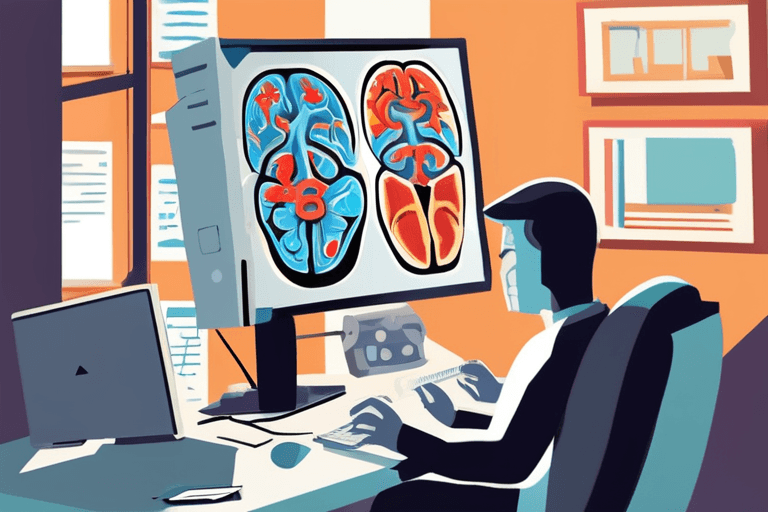
A team of researchers at Kyoto University, led by neuroscientist Ken-ichi Amemori, recently published findings that shed light on this very question. Their work, focusing on the neural mechanisms that reduce motivation when faced with unpleasant tasks, suggests a specific brain circuit is responsible for our tendency to delay activities associated with stress, punishment, or discomfort, even when a reward is on the horizon.
The study involved two macaque monkeys, chosen for their well-established role as models for understanding decision-making and motivation in the human brain. The monkeys were trained to perform decision-making tasks. In one phase, after a period of water restriction, they could choose between two levers that released different amounts of water – a small reward versus a larger one. This allowed researchers to gauge how the value of the reward influenced their willingness to work.
While the study doesn't directly involve AI, the implications for understanding human behavior are significant and could potentially inform the development of AI systems designed to better understand and even predict human choices. Imagine, for example, AI-powered tools that could help us overcome procrastination by identifying and mitigating the specific neural triggers that lead to avoidance.
"Our findings suggest that there's a fundamental neural mechanism at play when we decide to postpone something we don't enjoy, even if we know it's ultimately beneficial," explains Amemori. "By understanding this circuit, we can potentially develop strategies to bypass it and improve our ability to tackle challenging tasks."
The research highlights the complex interplay between reward and aversion in the brain. It's not simply about seeking pleasure; it's also about avoiding pain, both physical and psychological. This avoidance mechanism, while potentially helpful in certain situations, can become detrimental when it leads to chronic procrastination and missed opportunities.
The implications of this research extend far beyond the individual. In a society increasingly reliant on productivity and efficiency, understanding the neurological basis of procrastination could have profound consequences for workplace design, educational strategies, and even public policy. Could we design work environments that minimize the activation of this aversion circuit? Could we develop educational programs that make learning more engaging and less stressful, thereby reducing the urge to procrastinate?
While the Kyoto University study is a significant step forward, it's important to remember that procrastination is a complex phenomenon with multiple contributing factors. Further research is needed to fully understand the interplay between neural circuits, psychological factors, and environmental influences. However, this study offers a tantalizing glimpse into the brain's role in procrastination, paving the way for new interventions and strategies to help us overcome this common human challenge. Perhaps one day, we'll all be able to face that mountain of laundry with a little less dread, and a little more motivation.
















Discussion
Join the conversation
Be the first to comment