The resurgence of nuclear energy as a viable solution to climate change and energy independence is driving interest in next-generation reactor designs, despite historical concerns about cost, construction time, and safety. These advanced technologies aim to overcome the limitations of traditional nuclear power plants by offering potentially cheaper, faster, and safer alternatives.
Advocates of next-gen nuclear technology believe it can revitalize the industry and provide a carbon-free replacement for fossil fuels. The new designs represent a significant departure from 20th-century blueprints, focusing on innovative approaches to reactor construction and operation. One such approach involves modular reactors that can be manufactured in factories and assembled on-site, reducing construction time and costs. Other advancements include the use of different coolants, such as molten salt or helium, which can operate at higher temperatures and improve efficiency.
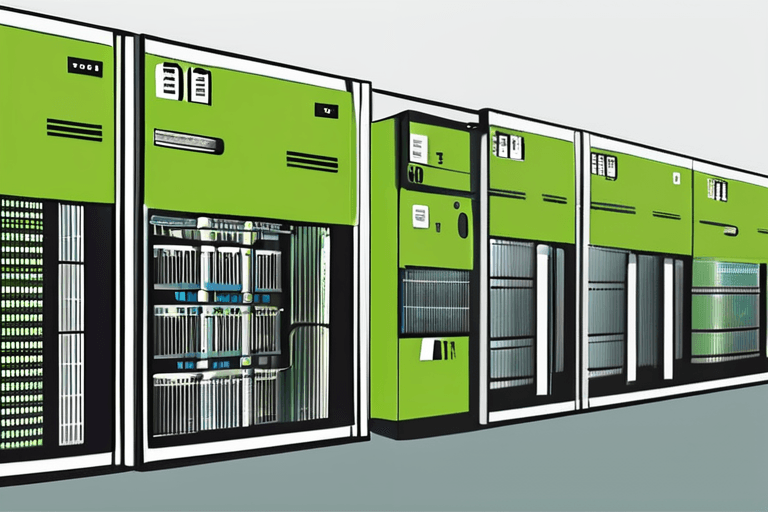
However, the proliferation of data centers, while essential for modern digital infrastructure, is facing increasing public scrutiny. These hyperscale facilities, lauded for their engineering prowess, are also drawing criticism for their significant energy consumption and environmental impact. The tension highlights a growing conflict between the demand for data and the need for sustainable practices.
















Discussion
Join the conversation
Be the first to comment