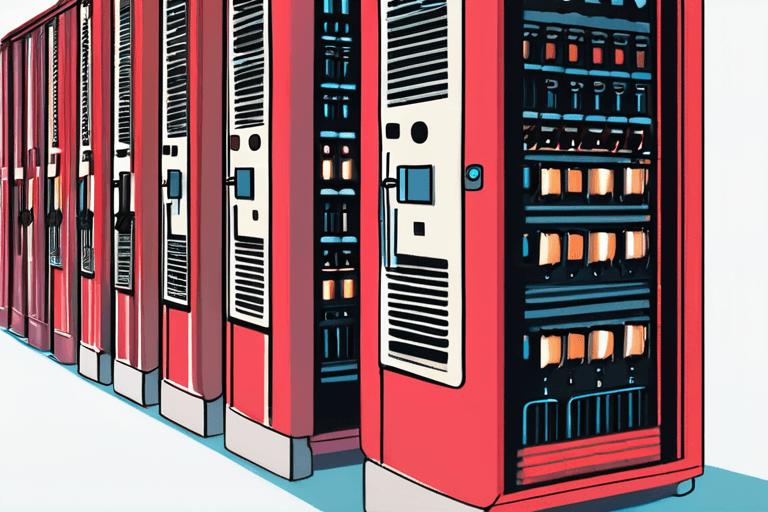
Data centers, the colossal engines powering the artificial intelligence revolution, are simultaneously marvels of engineering and sources of growing public concern. These hyperscale facilities, some spanning millions of square feet, house hundreds of thousands of high-end GPU chips, consuming massive amounts of electricity to perform the complex calculations required by advanced AI models.
The sheer scale of these data centers is staggering. Built with millions of pounds of steel, aluminum, and concrete, and wired with hundreds of miles of cabling, they represent a significant investment by major tech companies. "Given the incredible amounts of capital that the world's biggest companies have been pouring into building data centers you can make the case (and many people have) that their construction is single-handedly propping up the US stock market and the economy," said one industry analyst, speaking on condition of anonymity due to company policy.
Each chip within these facilities, costing upwards of $30,000, processes hundreds of thousands of "tokens" – the basic building blocks of an AI model – per second. The intense heat generated by this processing power necessitates sophisticated cooling systems, themselves triumphs of engineering.
However, the immense energy consumption of data centers has drawn criticism from environmental groups and local communities. Concerns about their carbon footprint and strain on local power grids are growing. "These facilities are energy hogs," said Sarah Miller, a spokesperson for the environmental advocacy group Green Future. "We need to find ways to make them more sustainable and reduce their impact on the environment."
Furthermore, the construction of these massive facilities can disrupt local communities, raising concerns about noise pollution, traffic congestion, and the potential impact on property values. In some areas, residents have protested the construction of new data centers, citing concerns about their quality of life.
Despite these concerns, the demand for data centers is expected to continue to grow as AI becomes increasingly integrated into various aspects of daily life. The industry is exploring ways to mitigate the environmental impact of data centers, including using renewable energy sources and developing more efficient cooling systems. The future of data centers will likely depend on finding a balance between the need for computing power and the need for environmental sustainability and community well-being.



















Discussion
Join the conversation
Be the first to comment