The ancient city of Acre, located in northwest Israel, offers a glimpse into the Crusades through its well-preserved Hospitaller Fortress. Considered one of the longest continually inhabited cities in the Middle East, Acre, also known as Akko, showcases layers of history spanning numerous civilizations.
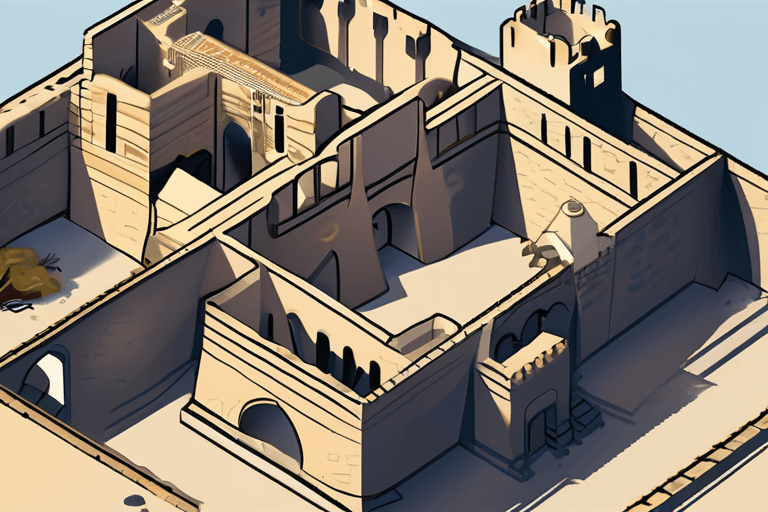
Visitors to the Hospitaller Fortress can explore its tunnels and halls, now largely underground, where projected lights display moving images depicting the Knights Hospitaller, later known as the Knights of Malta, in a funeral procession. The fortress museum effectively narrates the story of the various civilizations that have called Acre home over the centuries.
Adjacent to the fortress stands the Al-Jazzar Mosque, which houses a reliquary containing a hair believed to be from the Prophet Muhammad. The mosque represents another layer of Acre's rich cultural and religious history.
The old city's winding streets extend onto a peninsula in the Mediterranean Sea, reflecting Acre's strategic importance as a port city throughout history. Its location has made it a crossroads for trade, culture, and conflict for millennia.
Acre's historical significance stems from its role in the Crusades, a series of religious wars between Christians and Muslims that began in the late 11th century. The Knights Hospitaller, originally a Christian order dedicated to caring for pilgrims in the Holy Land, played a significant role in these conflicts and established a powerful presence in Acre. The fortress stands as a testament to their influence and the broader history of the Crusades in the region.
The city's continuous habitation reflects its enduring appeal and strategic value throughout different eras and empires, from the Phoenicians and Romans to the Ottomans and the British. Today, Acre is a UNESCO World Heritage site, recognized for its historical importance and the preservation of its diverse cultural heritage.



















Discussion
Join the conversation
Be the first to comment