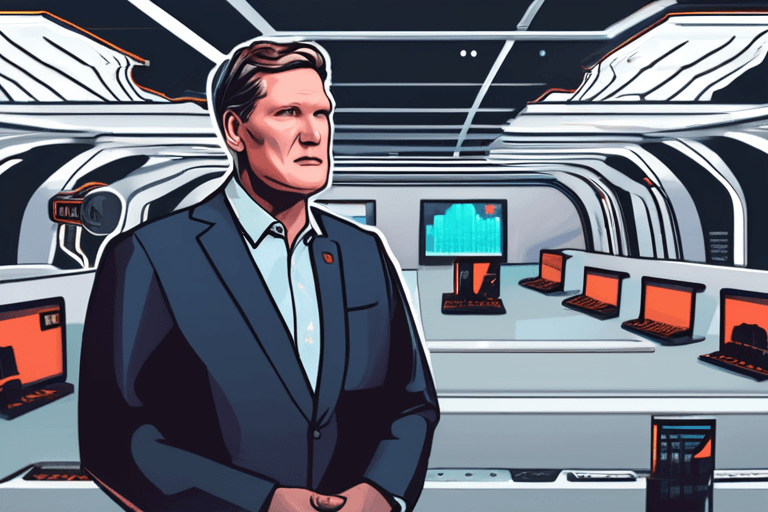
Keir Starmer, leader of the Labour Party, stated that X, formerly known as Twitter, could "lose the right to self-regulate" if it fails to adequately address concerns regarding online safety and the spread of misinformation. Starmer's remarks, made during a speech at a technology conference in London on Tuesday, come amid growing scrutiny of the social media platform's content moderation policies since its acquisition by Elon Musk.
Starmer argued that self-regulation is a privilege, not a right, and that companies like X must demonstrate a commitment to protecting users from harmful content. "The era of self-regulation for social media must come with real responsibility," Starmer said. "If they fail to meet that responsibility, the option of statutory regulation must be on the table." He specifically cited concerns about the proliferation of hate speech, disinformation, and harmful content targeting children as key areas needing improvement.
The potential loss of self-regulation would have significant implications for X. Currently, the platform operates under a self-regulatory framework, adhering to voluntary codes of conduct and industry best practices. However, increased government oversight could lead to stricter content moderation rules, potential fines for non-compliance, and greater legal liability for the content posted by its users. This could necessitate significant investment in content moderation technology and personnel, potentially impacting the company's profitability.
X's current content moderation system relies on a combination of automated tools and human reviewers to identify and remove content that violates its policies. The platform's policies prohibit hate speech, incitement to violence, and the spread of misinformation, among other things. However, critics argue that X's enforcement of these policies has been inconsistent and inadequate, particularly since Musk's acquisition, which saw significant staff reductions in the trust and safety teams.
Musk has publicly stated his commitment to free speech, even if that means allowing some content that others find offensive. He has also reinstated accounts that were previously banned for violating the platform's policies, raising concerns about the potential for the spread of harmful content.
The debate over X's content moderation policies comes as governments around the world are grappling with how to regulate social media platforms. The European Union's Digital Services Act (DSA), for example, imposes strict new rules on online platforms, including requirements to remove illegal content quickly and to be more transparent about their content moderation practices. The UK is also considering new legislation to regulate online harms.
X has not yet issued an official statement in response to Starmer's comments. However, the company has previously stated that it is committed to providing a safe and secure platform for its users. The company is likely to face increasing pressure from regulators and policymakers to address concerns about online safety and misinformation in the coming months. The future of X's regulatory status will likely depend on its ability to demonstrate a genuine commitment to protecting its users from harmful content.













Discussion
Join the conversation
Be the first to comment