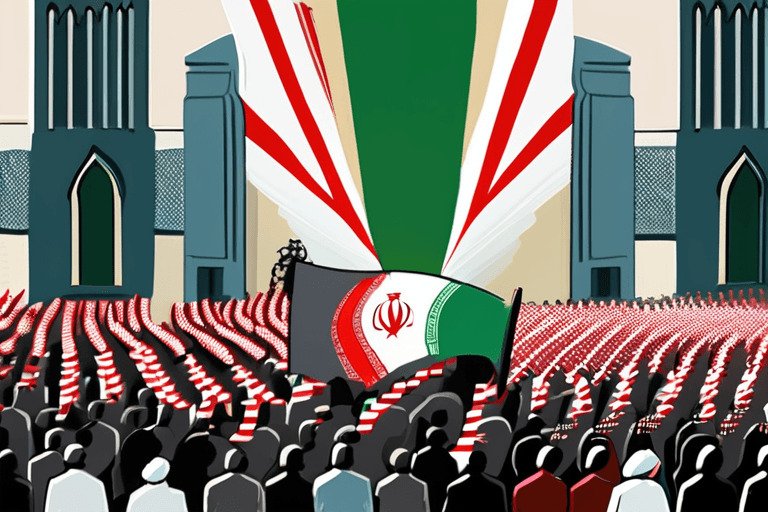
Protests in Iran, initially sparked by economic grievances, escalated into widespread unrest over a 17-day period, marking the nation's most significant turmoil in recent years. The Iranian government attributed the violence to foreign instigation, while former U.S. President Donald Trump issued repeated threats of potential military intervention by the United States.
The unrest began on December 28, 2025, in Mashhad, Iran's second-largest city, with demonstrations focused on rising food prices and unemployment. These protests quickly spread to other cities, including Tehran, Isfahan, and Shiraz, evolving to include broader political demands, such as calls for greater freedoms and an end to government corruption. According to reports from human rights organizations, security forces responded to the protests with increasing force, resulting in numerous casualties and arrests. Amnesty International reported that at least 100 people were killed during the protests, though the Iranian government disputed this figure.
The Iranian government, led by Supreme Leader Ali Khamenei, accused foreign powers, particularly the United States and Israel, of fueling the unrest. "The enemies of Iran are using money, weapons, politics, and intelligence apparatus to create problems for the Islamic Republic," Khamenei stated in a televised address on January 8, 2026. These accusations were dismissed by the U.S. State Department, which issued a statement supporting the rights of the Iranian people to peacefully protest.
The protests occurred against a backdrop of economic hardship in Iran, exacerbated by international sanctions and internal mismanagement. The country's currency, the rial, had significantly depreciated in recent years, leading to increased inflation and a decline in living standards. The situation was further complicated by the ongoing COVID-19 pandemic, which strained the country's healthcare system and economy.
The international community reacted to the protests with a mix of concern and condemnation. The European Union called for restraint from all sides and urged the Iranian government to respect the rights of its citizens to peaceful assembly and freedom of expression. The United Nations Secretary-General Antonio Guterres expressed concern over the reports of violence and called for an independent investigation into the events.
As of January 14, 2026, the protests had largely subsided, though sporadic demonstrations continued in some areas. The Iranian government maintained a heavy security presence throughout the country and implemented measures to restrict access to the internet and social media platforms. The long-term impact of the protests on Iran's political and economic landscape remained uncertain, but analysts suggested that they could lead to increased pressure on the government to address the underlying grievances of the population.

















Discussion
Join the conversation
Be the first to comment