Ever find yourself staring at a mountain of laundry, only to be inexplicably drawn to the siren song of your phone? You're not alone. Procrastination, that universal human experience, might finally have a neurological explanation, thanks to a fascinating study that peered inside the brains of macaques. The findings offer a tantalizing glimpse into the neural circuits that govern our tendency to put off tasks we find unpleasant, even when we know they lead to a desirable outcome.
For centuries, procrastination has been chalked up to laziness, poor time management, or even a character flaw. But recent advancements in neuroscience are painting a more nuanced picture. Researchers are beginning to unravel the complex interplay of brain regions that contribute to this frustrating behavior, moving beyond simple explanations and delving into the biological underpinnings of our decisions. This shift in understanding has profound implications, not just for individuals struggling with procrastination, but also for how we design systems and technologies that interact with human motivation.
The study, spearheaded by Ken-ichi Amemori, a neuroscientist at Kyoto University, focused on identifying the specific brain mechanisms that dampen our motivation when faced with tasks associated with stress, punishment, or discomfort. Amemori and his team trained two macaques to perform decision-making tasks. The monkeys were presented with two levers, each dispensing a different amount of water after a period of water restriction. One lever offered a smaller reward, while the other promised a larger one. This setup allowed the researchers to observe how the value of the reward influenced the monkeys' willingness to engage with the task. The key was to understand how the brain weighed the reward against the effort or potential discomfort involved.
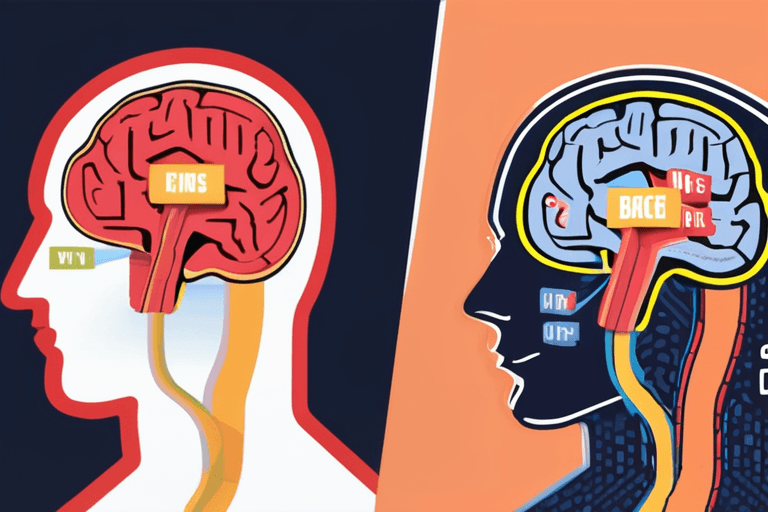
The results revealed a specific neural connection that appears to be crucial in the procrastination equation. This circuit, connecting areas involved in evaluating reward and processing aversion, seems to act as a gatekeeper, determining whether we're motivated to act or inclined to delay. When a task is perceived as unpleasant, this circuit effectively dampens the signal that would otherwise drive us to pursue the reward. In essence, the brain is performing a cost-benefit analysis, and when the perceived cost outweighs the perceived benefit, procrastination wins.
"This research provides a valuable framework for understanding the neural basis of procrastination," explains Dr. Anya Sharma, a cognitive neuroscientist specializing in motivation and decision-making. "By identifying this specific circuit, we can begin to explore potential interventions that might help individuals overcome their tendency to procrastinate."
The implications of this research extend far beyond the laboratory. As AI systems become increasingly integrated into our lives, understanding the neural mechanisms that drive human motivation is crucial for designing technologies that are truly effective and user-friendly. For example, imagine an AI-powered productivity tool designed to help users manage their tasks. If the tool only focuses on external rewards, such as deadlines and performance metrics, it may inadvertently reinforce procrastination by failing to address the underlying aversion associated with certain tasks. A more sophisticated AI could, however, identify tasks that trigger this aversion and offer strategies for breaking them down into smaller, more manageable steps, or for reframing them in a more positive light.
Furthermore, understanding the neural basis of procrastination could lead to the development of targeted therapies for individuals struggling with chronic procrastination, which can significantly impact their academic, professional, and personal lives. These therapies might involve techniques such as neurofeedback, which allows individuals to learn to regulate their brain activity, or pharmacological interventions that modulate the activity of the identified neural circuit.
While this research represents a significant step forward, it's important to acknowledge that procrastination is a complex phenomenon influenced by a multitude of factors, including personality traits, environmental cues, and social pressures. Future research will need to explore how these factors interact with the identified neural circuit to fully understand the dynamics of procrastination. Nevertheless, the discovery of this brain mechanism offers a promising avenue for developing more effective strategies for overcoming procrastination and harnessing the power of human motivation. The next time you find yourself putting off a task, remember that it's not just about willpower; it's about the intricate dance of neurons in your brain. And understanding that dance is the first step towards taking control.
















Discussion
Join the conversation
Be the first to comment