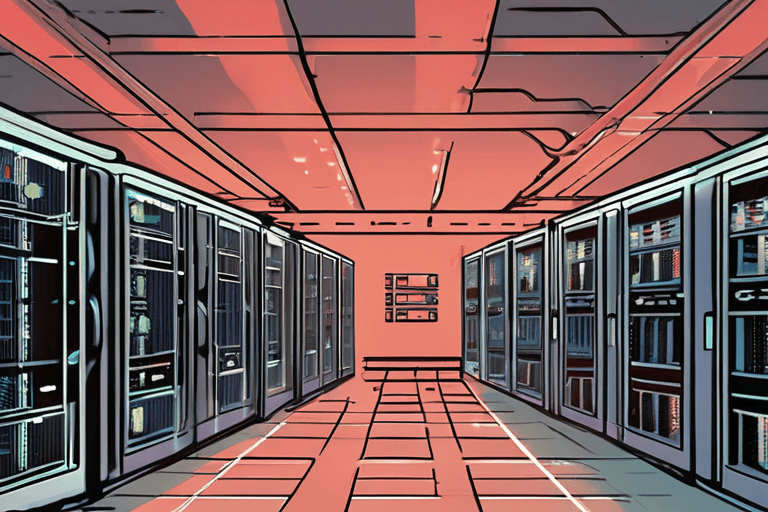
Data centers, the massive structures housing the brains behind artificial intelligence, are simultaneously fueling economic growth and drawing criticism for their environmental impact. These hyperscale facilities, some spanning millions of square feet, are packed with hundreds of thousands of high-end GPU chips, each potentially costing upwards of $30,000, according to industry analysts.
The sheer scale of these operations is staggering. Constructed with millions of pounds of steel, aluminum, and concrete, they require hundreds of miles of wiring and consume hundreds of megawatt-hours of electricity. The cooling systems alone represent significant engineering feats, necessary to dissipate the immense heat generated by the processors. These chips, working in concert, process hundreds of thousands of tokens per second, the basic building blocks of AI models.
The construction boom in data centers has been a boon to the U.S. economy, with some arguing that it is single-handedly supporting the stock market. Investment in these facilities has been driven by the increasing demand for AI and cloud computing services. "The growth in AI is directly correlated to the expansion of data center infrastructure," said technology analyst Sarah Chen. "Companies are racing to build out capacity to meet the needs of increasingly complex AI models."
However, the rapid expansion of data centers has also raised concerns about their environmental footprint. The massive energy consumption required to power and cool these facilities contributes to greenhouse gas emissions. Critics argue that the industry needs to prioritize sustainability and explore alternative energy sources. "We need to find ways to power these data centers with renewable energy and improve their energy efficiency," said environmental advocate David Miller. "The current trajectory is simply not sustainable."
The cultural impact of data centers is also becoming more apparent. As AI becomes more integrated into daily life, the physical infrastructure that supports it is becoming increasingly visible. The presence of these massive facilities in communities raises questions about land use, noise pollution, and the overall impact on the local environment.
The industry is exploring various solutions to mitigate the environmental impact of data centers, including using renewable energy sources, improving cooling technologies, and optimizing server utilization. Some companies are also experimenting with locating data centers in colder climates to reduce cooling costs. The future of data centers will likely involve a greater focus on sustainability and a more transparent dialogue with communities about their impact.



















Discussion
Join the conversation
Be the first to comment