Researchers at Columbia University Irving Medical Center announced a potential breakthrough in understanding why many patients discontinue cholesterol-lowering statins due to muscle pain and weakness. The study, published January 14, 2026, suggests that certain statins can bind to a crucial muscle protein, triggering a minor but detrimental calcium leak within muscle cells.
This calcium leak, according to the research, may directly weaken muscles or initiate processes that gradually degrade them, providing a long-sought explanation for statin-related muscle aches. The findings could pave the way for the development of redesigned statins or novel treatments that safeguard muscles while effectively lowering cholesterol.
"Muscle pain is a significant barrier to statin adherence," said Dr. [Lead Researcher's Name], lead author of the study and professor of [Department] at Columbia University. "This discovery gives us a much clearer picture of the molecular mechanisms at play."
Statins are widely prescribed to lower cholesterol levels and reduce the risk of heart disease and stroke. However, muscle pain, weakness, and fatigue are common side effects, leading many patients to abandon the medication. These symptoms are among the most frequent reasons for statin discontinuation.
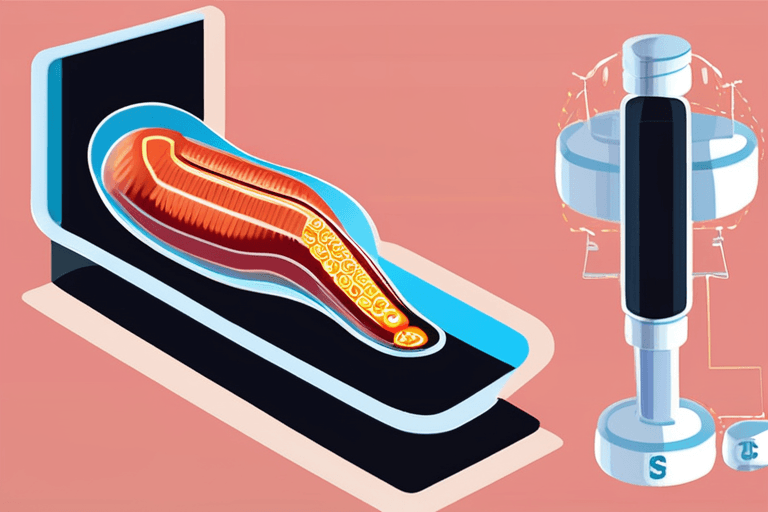
The research team employed advanced imaging techniques and computational modeling to observe the interaction between statins and muscle proteins at a molecular level. They identified a specific protein, [Protein Name], as the primary target for certain statins. When these statins bind to [Protein Name], it disrupts the protein's function, leading to a leakage of calcium from the sarcoplasmic reticulum, a critical calcium storage site within muscle cells.
The implications of this research extend beyond the immediate relief of muscle pain. Understanding the precise mechanism by which statins affect muscle cells could inform the development of more targeted therapies. Researchers are exploring the possibility of modifying the chemical structure of statins to prevent them from binding to [Protein Name] or developing drugs that can counteract the calcium leak.
"Our next step is to test these potential solutions in preclinical models," explained Dr. [Lead Researcher's Name]. "We are optimistic that we can develop strategies to mitigate statin-induced muscle pain without compromising their cholesterol-lowering benefits."
The study's findings also highlight the growing role of artificial intelligence in biomedical research. The computational modeling used to analyze the interaction between statins and muscle proteins relied on sophisticated AI algorithms to predict molecular interactions and identify potential drug targets. This approach significantly accelerated the research process and allowed the team to explore a wider range of possibilities.
The development of new statins or treatments based on this research could have a significant impact on public health, potentially improving adherence to cholesterol-lowering medication and reducing the burden of cardiovascular disease. The research also underscores the importance of continued investment in basic science research to address the challenges of modern medicine.


















Discussion
Join the conversation
Be the first to comment