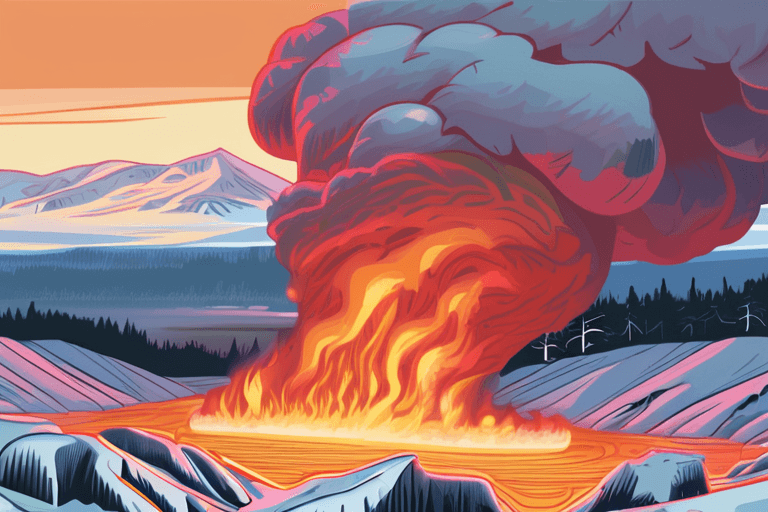
Alaska's Arctic is experiencing unprecedented wildfires. A new study reveals fire activity is at a 3,000-year high. The research, published in Biogeosciences, was conducted by an international team. It focused on Alaska's North Slope.
The study analyzed peat cores and satellite data. Scientists found a sharp increase in fires since the 1950s. Warming temperatures and expanding shrubs are key factors. These conditions dried soils, fueling intense blazes.
Increased fire activity poses significant risks. It threatens Arctic ecosystems and releases stored carbon. Experts warn this could accelerate climate change. Mitigation efforts are urgently needed.
For millennia, Arctic wildfires were rare. The 20th century marked a turning point. Rising temperatures created a more flammable landscape. This shift signals a dangerous new fire era.
Researchers plan to continue monitoring fire activity. They aim to understand long-term impacts. Further studies will explore strategies to manage Arctic fires. The goal is to protect vulnerable ecosystems.

















Discussion
Join the conversation
Be the first to comment