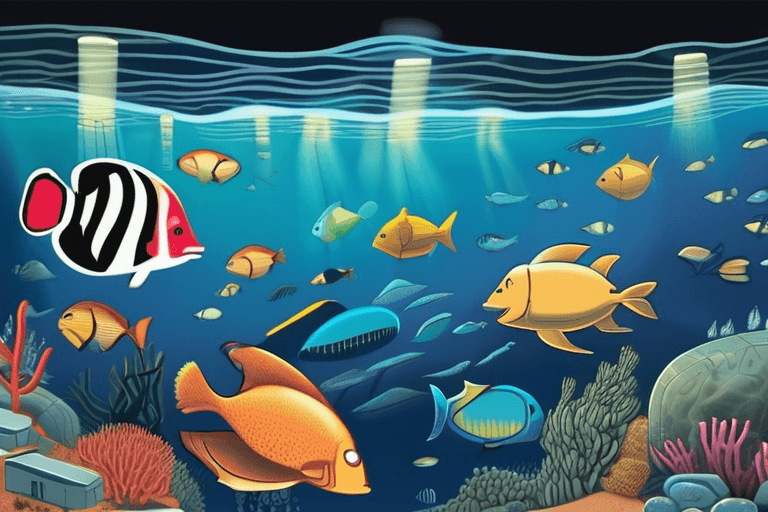
Scientists have identified a previously unrecognized threat to marine ecosystems: sudden and prolonged periods of underwater darkness, which they have termed "marine darkwaves." These events, detailed in a recent study by an international team of researchers, can last for days or even months and are caused by factors such as storms, sediment runoff, algae blooms, and murky water.
The research, spearheaded by scientists at the University of California - Santa Barbara, highlights the dramatic reduction in light reaching the seafloor during these darkwave events. This poses a significant risk to kelp forests, seagrass beds, and other light-dependent marine life, according to the study published this week.
"Declines in water clarity are a pressing concern for coastal ecosystems," the researchers stated, emphasizing the need to understand the frequency, duration, and impact of these underwater blackouts. The team developed the first system designed to identify and compare these marine darkwaves, allowing for a more comprehensive analysis of their effects.
The phenomenon of reduced underwater light is not new, but the recognition of these events as distinct and potentially widespread occurrences is a recent development. Previously, such instances were often attributed to localized pollution or seasonal changes. However, the new research suggests that these darkwaves are more frequent and extensive than previously thought, potentially exacerbated by climate change and increased human activity in coastal areas.
The implications of these findings are far-reaching. Kelp forests and seagrass beds are vital habitats for a wide range of marine species, providing food, shelter, and breeding grounds. A prolonged period of darkness can disrupt photosynthesis, leading to the decline or death of these foundational species, with cascading effects throughout the food web.
Furthermore, the study underscores the importance of monitoring water clarity in coastal regions. By tracking the occurrence and intensity of marine darkwaves, scientists can better assess the health of marine ecosystems and develop strategies to mitigate the impacts of these events. Future research will focus on understanding the specific thresholds of light reduction that different marine species can tolerate, as well as the long-term consequences of repeated exposure to darkwaves. The team hopes that this new understanding will inform conservation efforts and help protect vulnerable marine environments from the growing threat of underwater darkness.















Discussion
Join the conversation
Be the first to comment