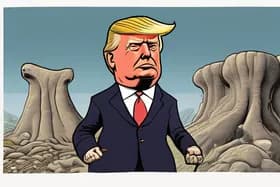
Donald Trump threatened to invoke the Insurrection Act in Minneapolis amid ongoing protests against federal immigration agents. The former president stated on Truth Social that he would implement the law if Minnesota politicians "don't obey the law and stop the professional agitators and insurrectionists from attacking the Patriots of I.C.E., who are only trying to do their job."
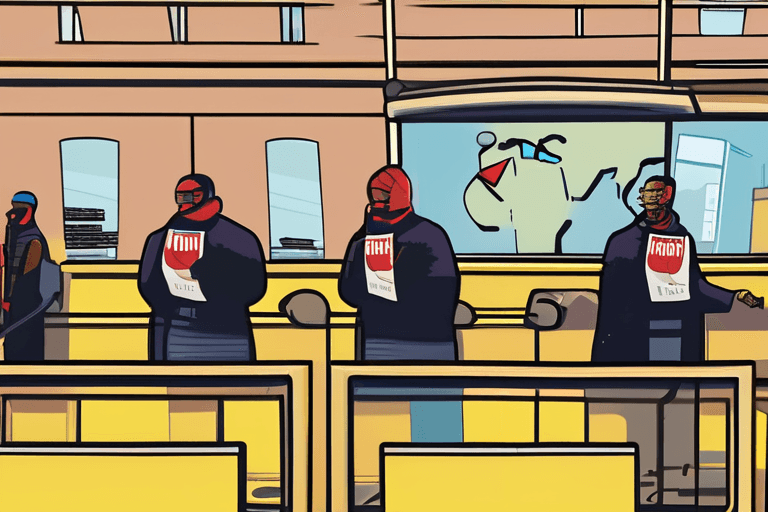
The protests intensified following an incident on Wednesday in which a federal officer shot a man in the leg during an enforcement operation in north Minneapolis. This event occurred just a week after the fatal shooting of Renee Nicole Good, further fueling public unrest.
The Insurrection Act, a centuries-old law, grants the president the authority to deploy the U.S. military domestically to suppress insurrections, rebellions, or enforce federal laws. Its use is rare and typically reserved for situations where state authorities are unable or unwilling to maintain order.
Trump asserted that invoking the act would "quickly put an end to the travesty that is taking place in that once great State." The potential implementation of the Insurrection Act raises concerns about federal overreach and the militarization of domestic law enforcement. Critics argue that deploying the military against civilian protesters could escalate tensions and infringe on constitutional rights. Supporters, however, maintain that it is a necessary tool to restore order in situations of widespread lawlessness.
The situation in Minneapolis remains tense, with ongoing demonstrations and heightened scrutiny of federal immigration enforcement practices. The governor's office has not yet issued a formal response to Trump's threat. The Department of Justice declined to comment on the possibility of invoking the Insurrection Act. Legal experts are divided on the legality and appropriateness of using the act in this context, citing differing interpretations of what constitutes an "insurrection" or "rebellion."












Discussion
Join the conversation
Be the first to comment