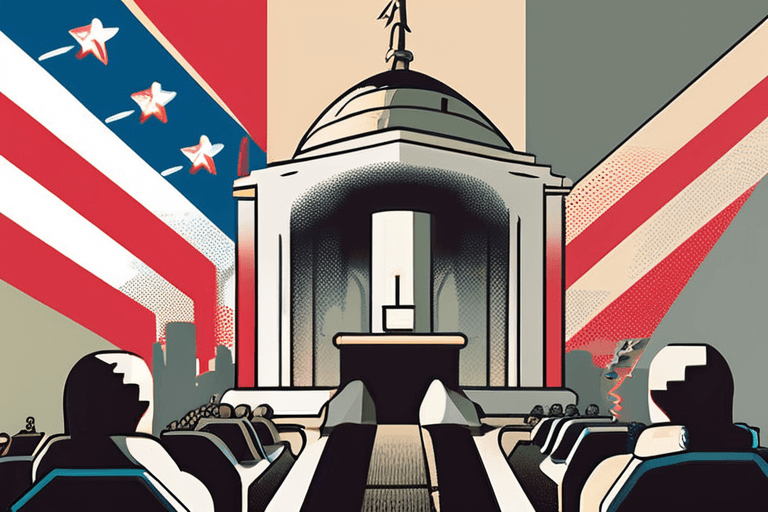
Chants of "Down with America" have been heard in protests spanning from Iran to Latin America, reflecting a complex and multifaceted sentiment that extends beyond simple animosity toward U.S. freedoms. The prevalence of this anti-U.S. rhetoric raises questions about the underlying causes and motivations driving such expressions across diverse geopolitical landscapes.
U.S. foreign policy, particularly its interventions in the internal affairs of other nations, is often cited as a key factor contributing to anti-U.S. sentiment. Critics point to instances of perceived U.S. overreach, including military interventions, economic sanctions, and support for authoritarian regimes, as fueling resentment and distrust. These actions, they argue, contradict the U.S.'s stated commitment to promoting democracy and human rights globally.
In Iran, the "Down with America" chant has deep historical roots, stemming from the 1979 Islamic Revolution and the subsequent hostage crisis at the U.S. embassy in Tehran. The U.S.'s support for the Shah's regime and its perceived interference in Iranian affairs are still potent grievances. The chant serves as a rallying cry against what many Iranians perceive as U.S. imperialism and meddling in their country's sovereignty.
Similarly, in parts of Latin America, anti-U.S. sentiment is fueled by a history of U.S. interventionism, including support for coups and dictatorships during the Cold War era. The legacy of the Monroe Doctrine, which asserted U.S. dominance in the Western Hemisphere, continues to resonate negatively in some quarters. Economic policies promoted by the U.S., such as neoliberal reforms, have also been criticized for exacerbating inequality and undermining national sovereignty.
However, experts caution against oversimplifying the motivations behind anti-U.S. chants. "It's not just about hating America," said Dr. Elena Rodriguez, a professor of international relations at the University of Buenos Aires. "It's about specific policies and actions that are perceived as harmful or unjust. It's a critique of U.S. power and its impact on the world."
Furthermore, the chant can also serve as a tool for domestic political mobilization. Governments may use anti-U.S. rhetoric to deflect attention from internal problems, consolidate power, and rally support for their policies. In some cases, it can also be a genuine expression of popular discontent with U.S. influence.
The persistence of anti-U.S. chants highlights the challenges facing U.S. foreign policy in a rapidly changing world. Understanding the historical, political, and economic factors that contribute to this sentiment is crucial for fostering more constructive and mutually beneficial relationships with countries around the globe. Moving forward, a more nuanced and empathetic approach to foreign policy, one that prioritizes diplomacy, mutual respect, and a commitment to international law, may be essential in addressing the underlying grievances that fuel anti-U.S. sentiment.















Discussion
Join the conversation
Be the first to comment