The hum of data centers, the silent surge of electric vehicles – both rely on copper, the unassuming metal quietly powering the modern world. But beneath the surface of our increasingly electrified lives, a looming crisis is brewing: the world is on track to run critically short of copper within the next two decades. As demand skyrockets, one startup believes the solution might lie not in brute force mining, but in harnessing the microscopic power of microbes.
The impending copper shortage is no secret. Experts predict a potential 25% gap between supply and demand by 2040, a shortfall that could send prices soaring and cripple industries reliant on the metal. The scramble is already on. Mining giants are investing heavily in exploration, and AI-powered startups like KoBold Metals are deploying cutting-edge technology to unearth new deposits. But these efforts take time, and the clock is ticking.
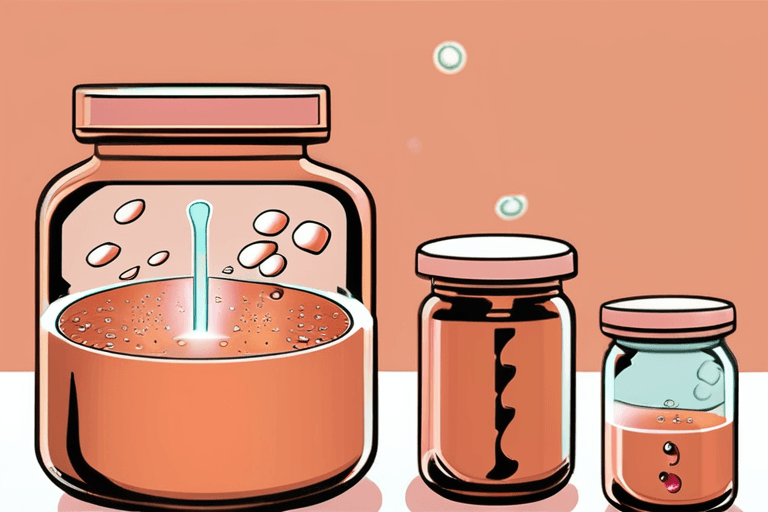
Enter Transition Metal Solutions, a startup betting on a different approach: bioleaching. This isn't your grandfather's mining operation. Bioleaching uses naturally occurring microbes to dissolve copper from ore, a process that's been around for decades. The problem? It's often slow and inefficient. Transition Metal Solutions believes it has cracked the code to significantly accelerate this process.
"Think of it as probiotics for copper mines," explains a company spokesperson. Their proprietary blend of additives supercharges the microbes, boosting copper production by an impressive 20 to 30%. This enhanced bioleaching process could unlock vast quantities of copper from existing mines, potentially mitigating the looming shortage without the need for environmentally disruptive new excavations.
The company's approach focuses on optimizing the microbes' environment. By carefully controlling factors like pH, nutrient availability, and temperature, they create ideal conditions for the microbes to thrive and efficiently extract copper. The result is a faster, more efficient, and potentially more sustainable way to access this critical resource.
"We're not trying to replace traditional mining," the spokesperson clarifies. "We're offering a complementary solution that can significantly increase the output of existing operations and make previously uneconomical deposits viable."
To scale up its technology, Transition Metal Solutions recently secured a $6 million seed round, led by Transition Ventures, with participation from a diverse group of investors including Astor Management AG, Climate Capital, Dolby Family Ventures, Essential Capital, Juniper VC, Kayak Ventures, New Climate Ventures, Possible Ventures, SOSV, and Understorey. This influx of capital will allow the company to conduct larger-scale field trials and refine its technology for commercial deployment.
The potential impact of Transition Metal Solutions' technology is significant. By increasing copper production from existing mines, the company could help alleviate the supply crunch, stabilize prices, and reduce the environmental footprint of copper extraction. While the technology is still in its early stages, the promise of a more sustainable and efficient way to access this critical resource is attracting attention from investors and industry players alike.
The road ahead is not without its challenges. Scaling up bioleaching operations can be complex, and the effectiveness of the technology can vary depending on the specific ore composition and environmental conditions. However, Transition Metal Solutions is confident that its approach can play a vital role in addressing the looming copper shortage.
As the world transitions to a more electrified future, the demand for copper will only continue to grow. While new mines and technological advancements like AI-powered exploration will undoubtedly play a role in meeting this demand, solutions like enhanced bioleaching offer a promising pathway to a more sustainable and secure copper supply chain. The future of copper might just depend on the tiny organisms working tirelessly beneath our feet.


















Discussion
Join the conversation
Be the first to comment