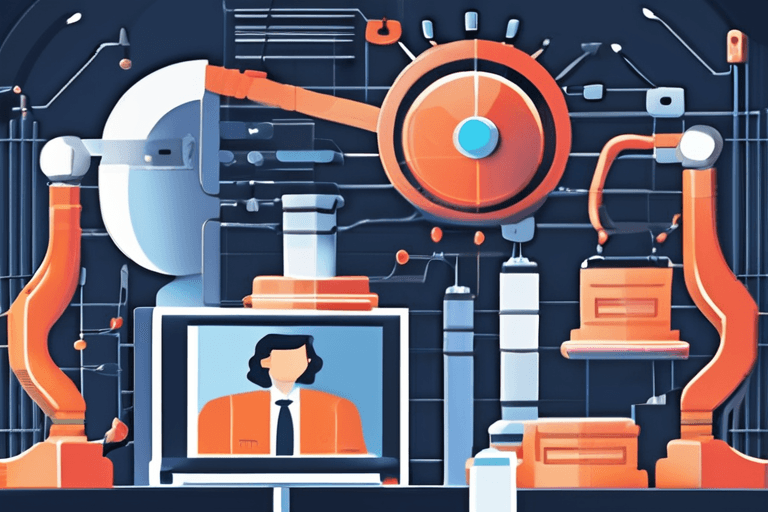
Enterprises are increasingly focused on how artificial intelligence agents collaborate effectively, shifting the focus from simply employing AI to ensuring seamless interaction between agents. This emphasis elevates orchestration across multi-agent systems and platforms to a critical concern and a key differentiator, according to industry experts.
Agent-to-agent communication is becoming increasingly important, said Tim Sanders, chief innovation officer at G2. Without proper orchestration, misunderstandings can arise, similar to individuals speaking different languages, Sanders explained to VentureBeat. These misunderstandings can degrade the quality of actions and increase the risk of hallucinations, potentially leading to security incidents or data leakage.
Orchestration, which has traditionally focused on data management, is now expanding to encompass action coordination. Solutions are emerging that integrate agents, robotic process automation (RPA), and data repositories, acting as conductors to harmonize these elements. Sanders compared this evolution to answer engine optimization, which started with monitoring and has progressed to creating customized content and code. Orchestration platforms are designed to coordinate various agentic solutions to improve the consistency of outcomes.
The ability for AI agents to communicate and coordinate effectively has significant implications for society. As AI systems become more integrated into various aspects of life, from business operations to personal assistance, the need for seamless interaction between agents becomes paramount. Effective orchestration can lead to more efficient processes, improved decision-making, and enhanced user experiences. However, it also raises concerns about security, data privacy, and the potential for unintended consequences if agents misinterpret each other or generate inaccurate information.
The latest developments in AI orchestration involve the creation of sophisticated platforms that can manage and optimize the interactions between diverse AI agents. These platforms often incorporate advanced algorithms for natural language processing, machine learning, and knowledge representation to facilitate communication and coordination. As AI technology continues to advance, the focus on orchestration will likely intensify, driving further innovation in this critical area.


















Discussion
Join the conversation
Be the first to comment