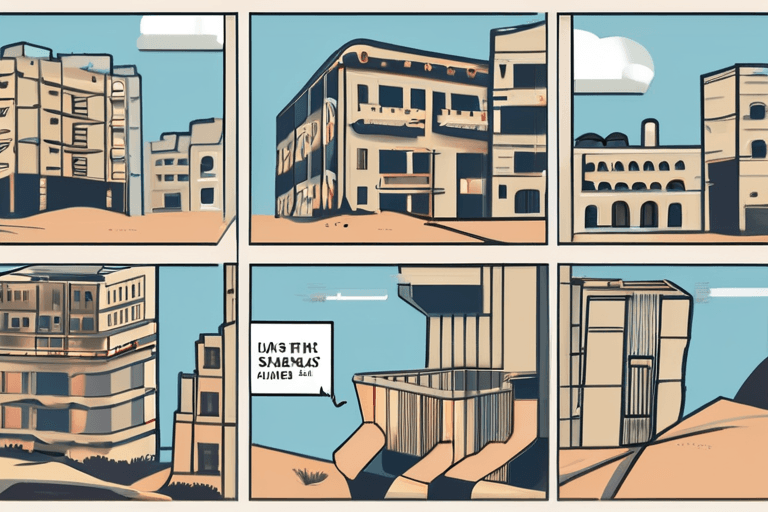
Phase two of President Donald Trump's peace plan for Gaza faces significant challenges, primarily due to Hamas's refusal to disarm, a condition set by the United States. The announcement of this second phase comes as the Gaza Strip continues to grapple with devastation following two years of conflict, leaving the future of the 2.1 million Palestinians residing there uncertain.
U.S. Special Envoy to the Middle East, Steve Witkoff, stated that failure to disarm would "bring serious consequences," but Hamas views its weapons as essential for resistance against Israel's long-standing military occupation. This stance creates a major obstacle, potentially leading to renewed conflict, as some members of Israeli Prime Minister Benjamin Netanyahu's coalition government are eager to resume military operations.
The core issue revolves around differing perspectives on security and sovereignty. Hamas insists on maintaining its armed capabilities, while the U.S. and some factions within the Israeli government view disarmament as a prerequisite for lasting peace and stability in the region. This divergence highlights the complexities of negotiating peace in areas with deeply entrenched conflicts.
The current situation reflects a broader challenge in international diplomacy: how to reconcile the security concerns of all parties involved in a conflict. The Trump plan's reliance on disarmament as a starting point has been criticized by some analysts who argue that it fails to address the underlying grievances that fuel the conflict.
Despite being significantly weakened militarily, U.S. intelligence estimates suggest that Hamas has likely recruited more new members in Gaza than have been killed by Israel during the conflict, indicating the group's resilience and continued influence. The next steps will likely involve further negotiations, potentially mediated by other international actors, to find a compromise that addresses the security concerns of both Israel and the Palestinian people. The success of phase two hinges on whether a mutually acceptable path forward can be found, or whether the region will relapse into further violence.
















Discussion
Join the conversation
Be the first to comment