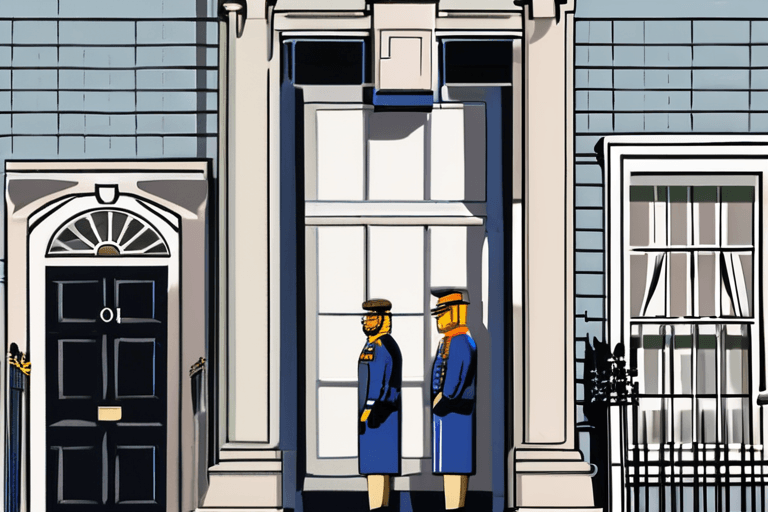
No. 10 Downing Street has acknowledged reports that X, formerly known as Twitter, is taking steps to address the issue of deepfakes generated using Grok, its artificial intelligence model. The move comes amid growing concerns about the potential for misuse of AI-generated content in spreading misinformation and influencing public opinion.
A spokesperson for the Prime Minister's office stated that the government welcomes any efforts by social media platforms to mitigate the risks associated with deepfakes. "We have been clear about the need for tech companies to take responsibility for the content hosted on their platforms, particularly when it comes to AI-generated material that could be used to deceive or mislead," the spokesperson said.
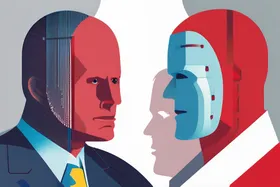
Deepfakes are synthetic media in which a person in an existing image or video is replaced with someone else's likeness. This is typically achieved using sophisticated machine learning techniques, specifically deep learning algorithms, hence the name. Grok, X's AI model, is a large language model (LLM) similar to OpenAI's GPT series or Google's Gemini. LLMs are trained on vast amounts of text data, enabling them to generate human-like text, translate languages, and create various kinds of creative content, including the underlying text for deepfake applications.
The specific measures X is reportedly implementing to combat Grok-generated deepfakes have not been fully disclosed. However, industry analysts speculate that they could include enhanced content detection algorithms, stricter user verification processes, and clearer labeling policies for AI-generated content. Content detection algorithms analyze media for telltale signs of manipulation, such as inconsistencies in lighting, unnatural facial movements, or artifacts introduced during the deepfake creation process.
The rise of accessible AI tools like Grok has lowered the barrier to entry for creating deepfakes, making it easier for malicious actors to produce and disseminate convincing but fabricated content. This poses a significant challenge to the information ecosystem, potentially undermining trust in legitimate news sources and institutions.
The UK government has been actively considering regulatory frameworks for AI, including measures to address the risks associated with deepfakes. The Online Safety Act, which recently came into effect, places a duty of care on social media platforms to protect users from illegal and harmful content, which could potentially be interpreted to include certain types of deepfakes.
X has not yet released an official statement detailing its plans. The company is expected to provide further information on its approach to tackling Grok-related deepfakes in the coming weeks. The effectiveness of X's measures will be closely watched by policymakers, regulators, and the public, as the debate over the responsible development and deployment of AI continues.













Discussion
Join the conversation
Be the first to comment