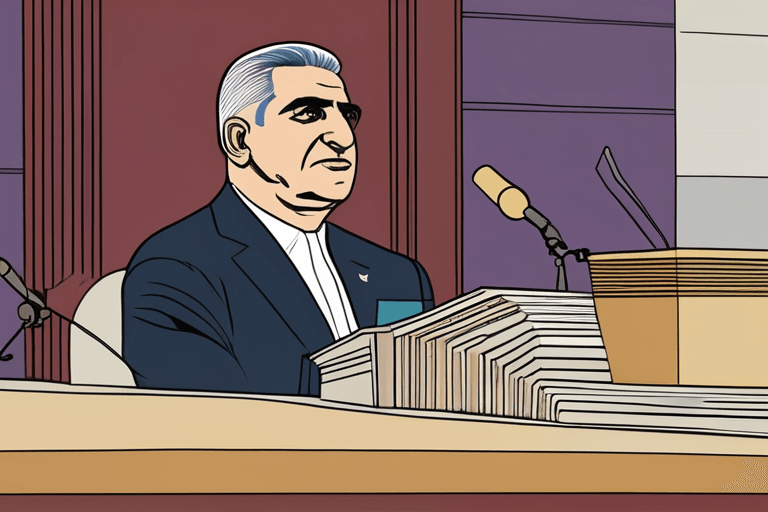
Reza Pahlavi, the son of Iran's deposed Shah, stated he would recognize Israel and terminate Iran's nuclear program if he were to lead the country. Pahlavi, who currently resides in the United States, made these policy declarations on January 15, 2026, while reiterating his support for the overthrow of Iran's current leadership.
Pahlavi's pledge to recognize Israel marks a significant departure from the Islamic Republic's long-standing policy of non-recognition and hostility towards the Jewish state. His commitment to ending Iran's nuclear program addresses international concerns regarding the country's nuclear ambitions. The potential shift in foreign policy could reshape regional dynamics and international relations.
The Islamic Republic of Iran's nuclear program has been a source of international tension for years. Western powers and international organizations, such as the International Atomic Energy Agency (IAEA), have expressed concerns about the program's potential military dimensions. Iran maintains that its nuclear program is solely for peaceful purposes, such as energy production and medical research.
Pahlavi's statements come at a time of heightened political and economic instability in Iran. The country has been grappling with widespread protests against the government, fueled by economic grievances and demands for greater political freedoms. The Iranian government has responded to these protests with force, leading to further unrest and international condemnation.
The implications of Pahlavi's statements are multifaceted. Domestically, his stance could resonate with Iranians who are disillusioned with the current regime's policies. Internationally, his commitment to recognizing Israel and ending the nuclear program could pave the way for improved relations with Western countries and a potential easing of economic sanctions.
It remains uncertain whether Pahlavi will ever return to power in Iran. However, his pronouncements offer a glimpse into a potential future for the country, one characterized by greater openness to the international community and a shift away from the hardline policies of the current regime. The future political landscape of Iran remains fluid, and the coming months and years will be crucial in determining the country's trajectory.

















Discussion
Join the conversation
Be the first to comment