A key Senate staff member stated this week that an extension of the International Space Station (ISS) is under consideration, urging NASA to expedite its program for developing commercial alternatives to the aging station. Maddy Davis, space policy staff member for U.S. Sen. Ted Cruz, R-Texas, addressed the Texas Space Coalition during a virtual event, emphasizing the senator's priority of maintaining a continuous human presence in low-Earth orbit.
Davis's remarks highlighted Cruz's concern about a potential gap in low-Earth orbit capabilities. "He's very painfully clear," Davis said, referring to Cruz's stance on ensuring commercial space stations are operational before the planned de-orbit of the ISS in 2030. "It comes up almost every time that I see him."
Cruz, as chairman of the Senate Committee on Commerce, Science, and Transportation, holds significant influence over space policy. His interest in the matter is also driven by the presence of the Johnson Space Center in Texas, which leads the International Space Station Program.
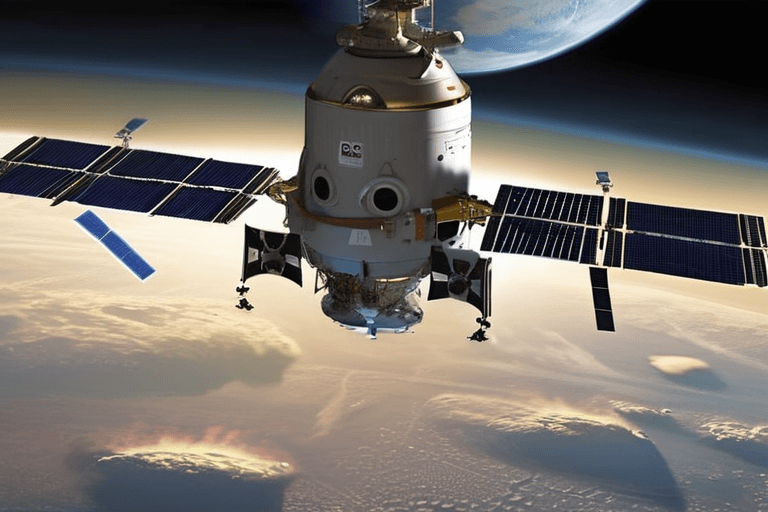
The push for commercial space stations is not new. NASA has been working on the Commercial Low Earth Orbit Destinations (CLD) program to foster the development of privately owned and operated space stations. The agency aims to transition its activities in low-Earth orbit from the ISS to these commercial platforms. The goal is to stimulate a commercial space economy and reduce the financial burden on taxpayers.
While NASA has provided funding to several companies to develop space station concepts, the timeline for their operational readiness remains a subject of debate. Some industry experts have expressed concerns about the feasibility of having commercially viable stations ready by 2030. The potential extension of the ISS, as mentioned by Davis, could provide a buffer if commercial alternatives are delayed.
The debate over the future of low-Earth orbit reflects the complex interplay of scientific, economic, and political considerations. As NASA continues to support the development of commercial space stations, the agency also faces the challenge of ensuring a smooth transition from the ISS without disrupting ongoing research and exploration activities. The decision on whether to extend the ISS will likely depend on the progress of the commercial programs and the overall strategic goals of the U.S. space program.



















Discussion
Join the conversation
Be the first to comment