Data centers, those behemoths of the digital age, are simultaneously hailed as economic saviors and reviled as environmental nightmares. These massive structures, some spanning millions of square feet, house the specialized computer chips that power advanced AI models, consuming vast amounts of resources in the process.
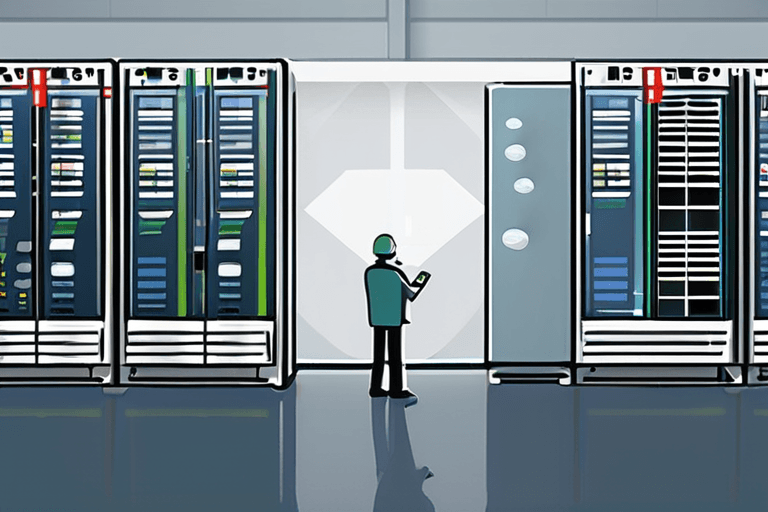
The scale of these facilities is staggering. A single data center can contain hundreds of thousands of high-end GPU chips, connected by hundreds of miles of wiring, all drawing hundreds of megawatt-hours of electricity. The heat generated by this computing power necessitates complex cooling systems, feats of engineering in their own right. The individual chips, costing upwards of $30,000 each, process hundreds of thousands of tokens per second, the fundamental units of AI models.
Industry analysts suggest that the massive capital investments in data center construction by tech giants are significantly bolstering the U.S. stock market and the overall economy. "You can make the case that their construction is single-handedly propping up the US stock market and the economy," said one financial analyst, speaking on condition of anonymity due to company policy.
However, the environmental impact of these energy-hungry facilities is a growing concern. Critics point to the immense electricity consumption and the carbon footprint associated with their operation. The need for constant cooling, often relying on water-intensive systems, further exacerbates environmental worries, particularly in water-scarce regions.
The cultural impact of data centers is also becoming more pronounced. As AI becomes increasingly integrated into daily life, the physical infrastructure supporting it remains largely hidden from public view. This disconnect raises questions about transparency and accountability in the development and deployment of AI technologies.
The debate surrounding data centers highlights the complex trade-offs between technological advancement, economic growth, and environmental sustainability. As AI continues to evolve, finding a balance between these competing priorities will be crucial. Future developments may include innovations in energy-efficient cooling technologies, the use of renewable energy sources to power data centers, and greater public awareness of the environmental and social implications of AI infrastructure.




















Discussion
Join the conversation
Be the first to comment