Rays of Hope Hospice Jinja, located in Uganda, has expanded its mission beyond traditional palliative care to include cancer prevention and treatment, specifically addressing the high rates of cervical cancer in the region. The hospice, traditionally focused on easing the pain of the dying, initiated cancer screening, education, and treatment programs, addressing a critical gap in healthcare access.
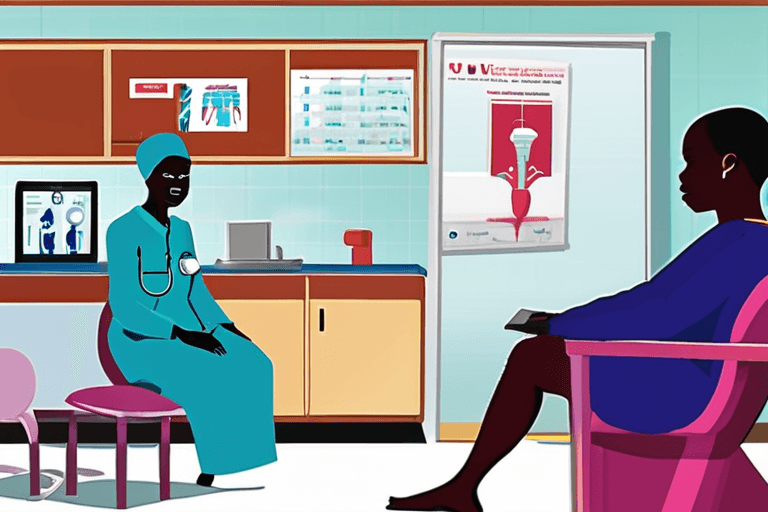
In June 2022, Deborah Nantenza, a 46-year-old mother of six, participated in a cervical cancer screening program led by the hospice at a local hospital in eastern Uganda. Nantenza, who knew women who had died from the disease but had previously feared testing, was found to have precancerous cervical cells. Following the diagnosis, she received prompt treatment and is now an advocate for cancer screening in her community. "The health workers encouraged me," Nantenza said. "I'm feeling better."
Cervical cancer is a significant health concern in Uganda, particularly in rural areas where access to screening and early diagnosis is limited. According to the World Health Organization, cervical cancer is caused by persistent infection with high-risk types of human papillomavirus (HPV). Regular screening, such as Pap smears or HPV tests, can detect precancerous changes, allowing for timely intervention and prevention of invasive cancer.
Sylvia Nakami, executive director of Rays of Hope Hospice Jinja, spearheaded the initiative to integrate cancer prevention and treatment into the hospice's services. Nakami and her team recognized that even with effective pain management using medications like liquid morphine, they could do more to address the underlying causes of suffering, particularly among women with cervical cancer.
The hospice's expanded role reflects a growing recognition of the importance of integrating palliative care with other aspects of healthcare, including preventative services and treatment. This approach aims to improve the overall quality of life for patients and their families, addressing not only physical symptoms but also emotional, social, and spiritual needs. The success of the program has prompted discussions about expanding similar initiatives to other hospices and healthcare facilities in Uganda and potentially other countries facing similar challenges. The long-term impact of the Rays of Hope Hospice Jinja's innovative approach will be monitored through ongoing data collection and evaluation of patient outcomes.













Discussion
Join the conversation
Be the first to comment