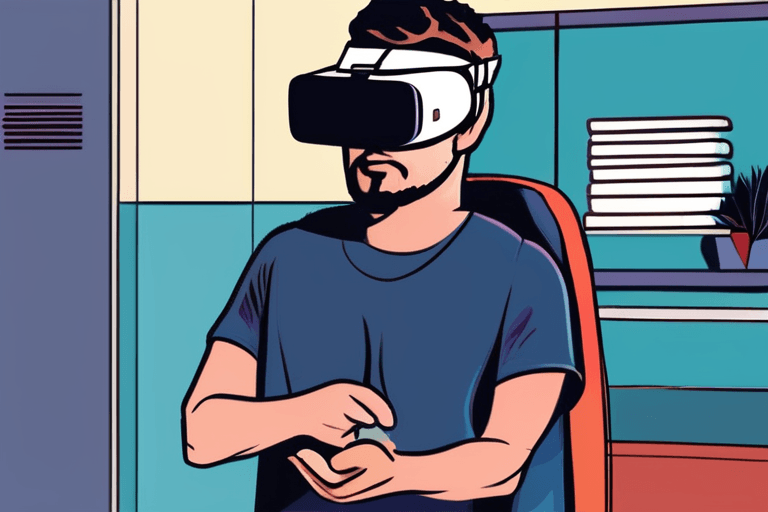
Meta's recent layoffs have sparked concern and disappointment among users of Supernatural, a virtual reality fitness app acquired by the tech giant in 2022. The job cuts have raised questions about the future of the platform and the community it fostered, particularly for individuals who rely on VR fitness for accessibility and motivation.
Tencia Benavidez, a Supernatural user from rural New Mexico, expressed her dismay, highlighting the app's importance in her fitness routine. "There's just something really special about those coaches," Benavidez said, emphasizing the personal connection and encouragement she received from the instructors. She began using Supernatural during the Covid-19 pandemic and found it an ideal solution for staying active, especially during harsh winters when outdoor exercise is difficult and access to gyms is limited.
The appeal of VR fitness programs like Supernatural lies in their ability to provide immersive and engaging workout experiences. Studies have shown that VR can increase exercise motivation and adherence by making physical activity more enjoyable and less perceived as exertion. The interactive nature of VR workouts can also improve motor skills and cognitive function, according to research published in the journal "Frontiers in Virtual Reality."
Meta's acquisition of Supernatural was initially met with cautious optimism by some users, who hoped the company's resources would further enhance the platform. However, the purchase faced scrutiny from the Federal Trade Commission (FTC), which attempted to block the deal over antitrust concerns. The FTC argued that Meta's acquisition could stifle competition in the VR fitness market, but Meta ultimately prevailed in the legal battle.
The recent layoffs at Meta have cast a shadow over the future of Supernatural, leaving users uncertain about the platform's long-term viability and the potential impact on its community and content. The company has not yet released specific details about how the layoffs will affect Supernatural's operations, but users are closely monitoring the situation and expressing their concerns through online forums and social media. The situation underscores the broader challenges facing the VR fitness industry, including the need to balance innovation with sustainability and to ensure that these technologies remain accessible and beneficial to a diverse range of users.













Discussion
Join the conversation
Be the first to comment