Minneapolis Mayor Jacob Frey stated Sunday that deploying active-duty soldiers to Minnesota for immigration enforcement would be unconstitutional, urging protesters to remain peaceful. Frey's statement came as protests continued throughout January in response to increased immigration enforcement in the Twin Cities, with the Department of Homeland Security deploying over 2,000 federal officers to the area.
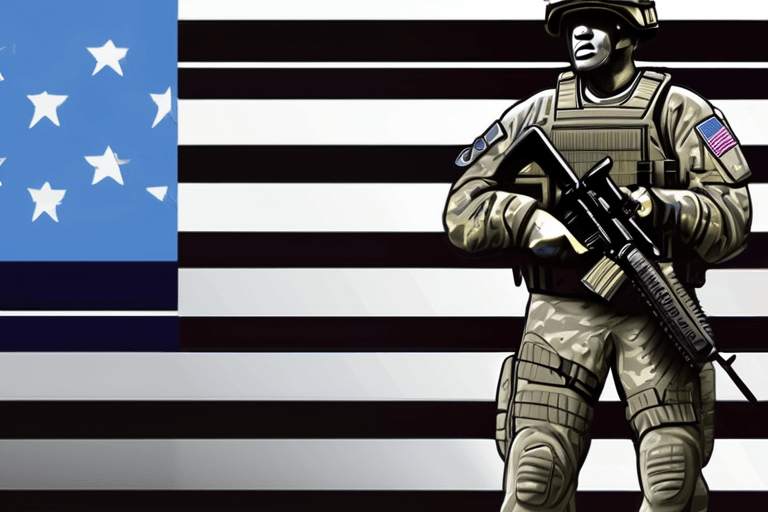
The Pentagon ordered approximately 1,500 active-duty soldiers based in Alaska, specializing in arctic conditions, to be ready for potential deployment to Minnesota, according to two defense officials who spoke on condition of anonymity. These officials indicated that two infantry battalions were placed on alert.
Frey characterized the prospect of military intervention as "not fair, it’s not just, and it’s completely unconstitutional." He emphasized the importance of peaceful protest to prevent the president from perceiving a need for military involvement.
The increased federal presence sparked widespread demonstrations. Three hotels in the area, reportedly housing Immigration and Customs Enforcement (ICE) officers, ceased accepting reservations Sunday. In a neighborhood with frequent ICE activity, U.S. postal workers marched, chanting slogans against ICE presence.
The deployment of federal officers and the potential deployment of military personnel raise concerns about the role of artificial intelligence (AI) in immigration enforcement. AI algorithms are increasingly used for tasks such as risk assessment, facial recognition, and predictive policing. These technologies, while potentially efficient, can also perpetuate biases present in the data they are trained on, leading to discriminatory outcomes.
For example, facial recognition systems have been shown to be less accurate in identifying individuals with darker skin tones, potentially leading to misidentification and wrongful targeting. Predictive policing algorithms, which analyze historical crime data to forecast future crime hotspots, can reinforce existing patterns of over-policing in marginalized communities.
The use of AI in immigration enforcement also raises concerns about transparency and accountability. The algorithms used by government agencies are often proprietary, making it difficult to scrutinize their decision-making processes and identify potential biases. This lack of transparency can erode public trust and undermine due process.
The debate over the use of AI in law enforcement highlights the broader societal implications of these technologies. As AI becomes more prevalent in various sectors, it is crucial to ensure that it is used ethically and responsibly. This requires careful consideration of potential biases, transparency in algorithmic decision-making, and robust oversight mechanisms.
The situation in Minneapolis reflects a growing tension between federal immigration policies and local opposition. The mayor's stance and the ongoing protests underscore the importance of balancing national security concerns with the protection of civil liberties and the rights of immigrants. The potential deployment of military personnel adds another layer of complexity to the situation, raising questions about the appropriate role of the military in domestic law enforcement. The situation remains fluid, with further developments expected as protests continue and the federal government considers its next steps.














Discussion
Join the conversation
Be the first to comment