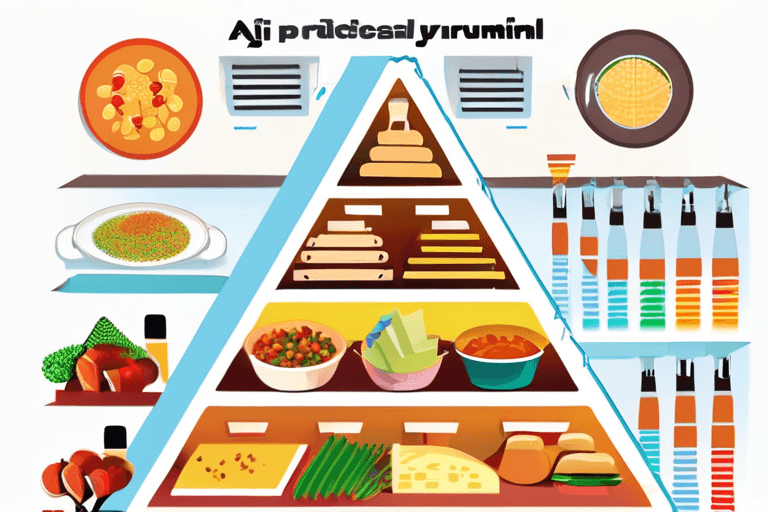
Health Secretary Robert F. Kennedy Jr. unveiled a newly inverted food pyramid earlier this month as part of the Make America Healthy Again (MAHA) movement, signaling a shift away from processed carbohydrates and added sugar towards increased consumption of fat and protein, particularly from animal sources. This initiative is expected to significantly influence American eating habits in the coming years, although it is not the only factor at play.
Liz Dunn, author of the newsletter Consumed, recently discussed her predictions for the future of American diets on the podcast Today, Explained. Dunn anticipates that the focus on protein will intensify, even beyond current levels. "What comes after peak protein will be more protein," Dunn stated, suggesting that the MAHA movement's emphasis on protein consumption will continue to drive dietary trends.
The MAHA initiative aims to combat what officials perceive as unhealthy eating patterns prevalent in the United States. The inverted food pyramid prioritizes fats and proteins, relegating carbohydrates and sugars to the bottom, a stark contrast to previous dietary guidelines. This reflects a belief that increased protein and fat intake can lead to improved health outcomes.
Dunn's predictions extend beyond the MAHA-approved trends. While she expects increased supplement use, aligning with the movement's focus on health optimization, she also foresees the continued popularity of less healthy options. "Sugar-laden drinks are going to get even sweeter," Dunn noted, indicating that consumer demand for sugary beverages will persist despite health concerns.
The implications of these dietary shifts are multifaceted. Increased protein consumption could strain agricultural resources and raise environmental concerns related to animal farming. Conversely, a reduction in processed carbohydrates and added sugars could lead to improved public health outcomes, such as lower rates of obesity and type 2 diabetes.
The long-term effects of the MAHA movement and evolving dietary trends remain to be seen. Experts are closely monitoring consumer behavior and health data to assess the impact of these changes on the overall health and well-being of the American population. The conversation surrounding food and health is ongoing, with continuous research and evolving recommendations shaping the future of American eating habits.













Discussion
Join the conversation
Be the first to comment