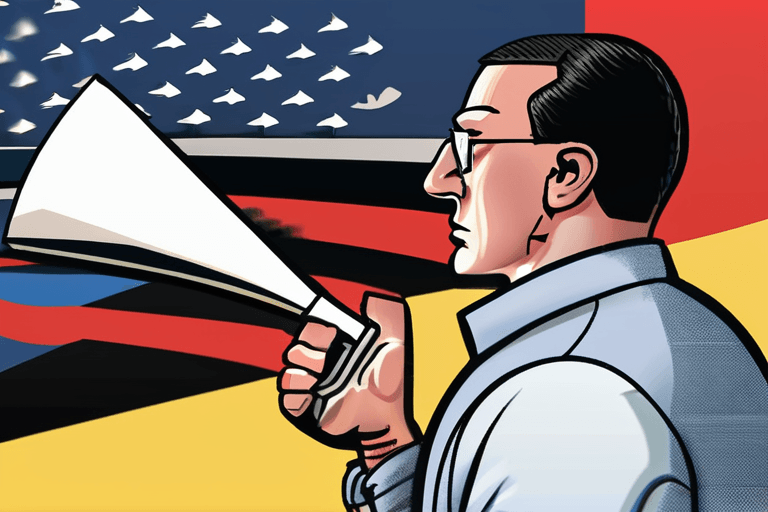
The US ban of Josephine Ballon, a director at German nonprofit HateAid, sent ripples through the tech regulation landscape, highlighting the growing tension between international digital rights advocacy and US foreign policy. The move, which effectively barred Ballon from entering the United States, arrived shortly after Senator Marco Rubio publicly accused European "ideologues" of coercing American platforms to censor US viewpoints. This action underscores the increasing politicization of online content moderation and its potential impact on cross-border business operations.
HateAid, though a relatively small organization, plays a significant role in the European digital rights ecosystem. While its annual budget remains modest, estimated at under $5 million, its influence extends far beyond its financial footprint. The organization provides legal and financial support to victims of online harassment, a market segment increasingly recognized as vital for fostering healthy online environments. The ban raises concerns about the potential chilling effect on similar organizations and their ability to engage with US-based tech companies.
The US action against Ballon arrived amidst growing global scrutiny of AI-driven content moderation. AI algorithms are increasingly used to detect and remove hate speech, but these systems are often criticized for bias and inaccuracy. A recent study by the AI Now Institute found that commercially available AI moderation tools exhibit significant disparities in their ability to detect hate speech across different demographic groups, raising concerns about potential discrimination. This context is crucial because HateAid's advocacy for stricter EU tech regulations directly challenges the current reliance on these imperfect AI systems. The market for AI-driven content moderation is projected to reach $10 billion by 2027, according to a report by MarketsandMarkets, highlighting the significant financial stakes involved.
HateAid emerged as a prominent voice in the debate surrounding the EU's Digital Services Act (DSA), a landmark piece of legislation aimed at regulating online platforms. The organization has actively campaigned for stronger enforcement mechanisms and greater transparency in content moderation practices. Rubio's accusations of "extraterritorial censorship" suggest a growing resistance within US political circles to European regulatory influence over American tech platforms. This resistance could lead to increased trade friction and hinder international cooperation on digital policy.
Looking ahead, the ban on Ballon signals a potential shift in US foreign policy towards a more protectionist stance on digital sovereignty. This could lead to further restrictions on individuals and organizations perceived as challenging US tech companies' dominance. The long-term implications for international collaboration on combating online hate and promoting digital rights remain uncertain, but the case underscores the increasing importance of understanding the complex interplay between technology, politics, and international relations. The incident serves as a stark reminder that the fight against online hate is not just a technological challenge, but also a deeply political one with significant business and economic ramifications.

















Discussion
Join the conversation
Be the first to comment