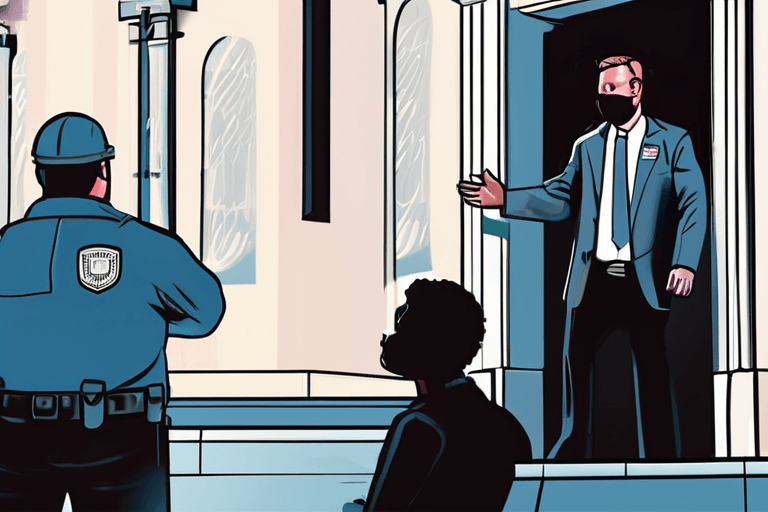
The Sunday morning calm at Cities Church in St. Paul, Minnesota, shattered as protesters marched into the sanctuary, their chants of "ICE out!" and "Justice for Renee Good!" echoing through the hall. The disruption, livestreamed on Black Lives Matter Minnesota's Facebook page, has ignited a firestorm of controversy, drawing the attention of the U.S. Department of Justice and raising profound questions about the intersection of faith, immigration enforcement, and the right to protest.
At the heart of the uproar lies David Easterwood, a pastor at Cities Church, who protesters allege also heads the local ICE field office. This alleged dual role, overseeing operations that have been accused of violent tactics and illegal arrests, has made Easterwood a lightning rod for criticism. The protesters' demands for "Justice for Renee Good" refer to the recent fatal shooting of a 37-year-old mother of three by an ICE agent in Minneapolis, an event that has intensified scrutiny of federal immigration enforcement activities in the region.
The DOJ's swift response, with Assistant Attorney General Harmeet Dhillon announcing an investigation into potential federal civil rights violations, underscores the gravity of the situation. Dhillon stated, "A house of worship is not a public forum for your protest! It is a space protected from exactly such acts by federal criminal and civil law." This stance highlights the legal protections afforded to religious institutions and the potential consequences for those who disrupt their services.
However, the protesters argue that their actions were a necessary response to what they see as a moral failing. They contend that Easterwood's alleged leadership role at ICE directly contradicts the values of compassion and justice that should be central to his pastoral duties. This raises a complex ethical dilemma: Can a person simultaneously serve as a spiritual leader and an enforcer of policies that many consider unjust?
The incident at Cities Church is not an isolated event. It reflects a growing trend of activism targeting individuals and institutions perceived to be complicit in controversial government policies. As AI-powered facial recognition and data analysis become increasingly integrated into law enforcement, the potential for identifying and targeting individuals connected to these policies grows. This raises concerns about the erosion of privacy and the chilling effect on public service.
"We are seeing a new era of accountability," says Dr. Evelyn Hayes, a professor of sociology at the University of Minnesota. "The internet and social media have made it easier than ever to connect individuals to the policies they implement. While the legal boundaries of protest are clear, the moral boundaries are constantly being debated."
The investigation into the Minnesota church protest will likely hinge on the interpretation of federal laws protecting religious freedom and the extent to which the protesters' actions interfered with the rights of worshippers. The case also raises broader questions about the role of faith in public life and the responsibilities of individuals who hold positions of power in both religious and secular institutions. As society grapples with these complex issues, the line between legitimate protest and unlawful disruption will continue to be a subject of intense debate.















Discussion
Join the conversation
Be the first to comment