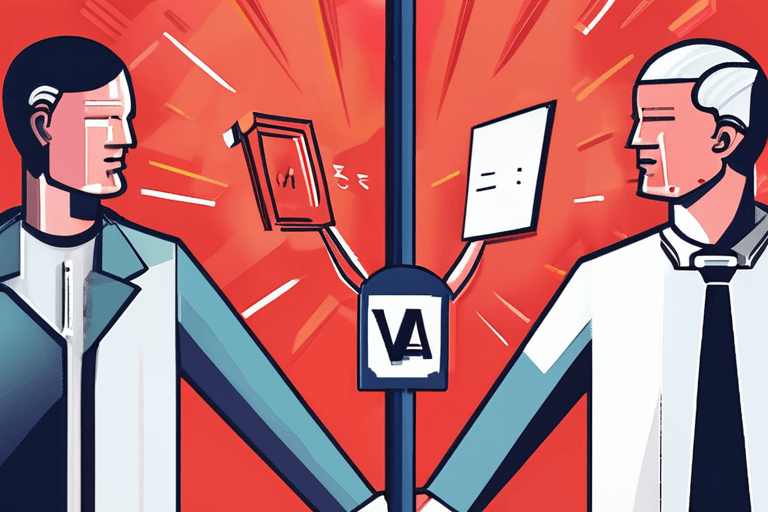
A German nonprofit, HateAid, experienced a significant disruption to its operations when its director, Josephine Ballon, was banned from entering the United States. The ban, which occurred just before Christmas Eve, stemmed from accusations of censorship levied against HateAid by U.S. Secretary of State Marco Rubio. This action highlights the growing tension between European efforts to regulate online content and U.S. perspectives on free speech, with potential financial and operational repercussions for organizations operating in the digital sphere.
The immediate financial impact on HateAid is difficult to quantify precisely, but the ban created operational challenges. Ballon's inability to travel to the U.S. hindered HateAid's ability to engage directly with American tech platforms and participate in relevant industry events. This could potentially affect HateAid's fundraising efforts, as U.S.-based donors may be hesitant to support an organization perceived as being at odds with U.S. policy. More broadly, the incident underscores the financial risks associated with advocacy work in the tech regulation space, where organizations can become targets of politically motivated campaigns.
The ban occurred against a backdrop of increasing scrutiny of online content moderation and the role of AI in shaping online discourse. Hate speech detection, for example, relies heavily on AI algorithms, which are often trained on biased datasets, leading to concerns about algorithmic bias and the potential for censorship of legitimate viewpoints. The market for AI-powered content moderation tools is projected to reach $15.7 billion by 2027, according to a recent report by MarketsandMarkets, highlighting the significant financial stakes involved in this rapidly evolving field. Rubio's actions suggest a growing political willingness to intervene in this market, potentially creating uncertainty for companies developing and deploying these technologies.
HateAid, founded to support victims of online harassment and violence, has become a prominent advocate for stricter EU tech regulations, including the Digital Services Act (DSA). The DSA aims to create a safer online environment by holding platforms accountable for illegal and harmful content. HateAid's advocacy has drawn criticism from right-wing politicians and commentators who accuse the organization of promoting censorship. The ban on Ballon reflects a broader trend of political polarization around issues of online speech and content moderation, with significant implications for organizations working to combat online hate.
Looking ahead, the incident signals a potential shift in U.S. policy towards European tech regulation efforts. The Trump Administration's stance, as articulated by Rubio, suggests a willingness to use diplomatic and economic tools to push back against what it perceives as extraterritorial censorship. This could lead to further restrictions on individuals and organizations involved in advocating for stricter online content moderation, potentially chilling free speech and hindering efforts to combat online hate. The future of cross-border collaboration on tech regulation remains uncertain, with the potential for increased friction between the U.S. and Europe.

















Discussion
Join the conversation
Be the first to comment