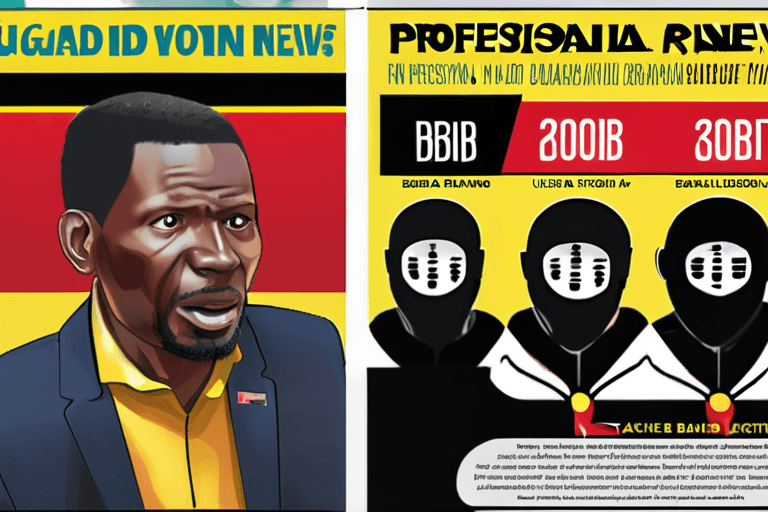
In the aftermath of Uganda's recent presidential election, a cloud of uncertainty hangs heavy over the nation. While incumbent President Yoweri Museveni, 81, has been declared the victor with 72% of the vote, his main challenger, Robert Kyagulanyi, better known as Bobi Wine, vehemently disputes the outcome, alleging widespread fraud and irregularities. The contested election, held amidst a backdrop of violence and repression, has ignited a political firestorm, raising questions about the future of democracy in the East African nation.
The seeds of discontent were sown long before the election results were announced. Bobi Wine, a former musician turned politician, emerged as a powerful voice of dissent, galvanizing a youthful population yearning for change. His National Unity Platform (NUP) party presented a formidable challenge to Museveni's decades-long rule, promising a new era of governance focused on addressing corruption, unemployment, and human rights abuses. However, Wine's rise was met with increasing state scrutiny, including arrests, intimidation, and restrictions on his campaign activities.
On the day Museveni was declared the winner, Bobi Wine released a video stating he was forced into hiding after his home was raided. He claims to possess irrefutable evidence of election rigging, including ballot stuffing, voter intimidation, and the prevention of NUP agents from accessing polling stations. "We have evidence," Wine asserted, speaking from an undisclosed location. "This was not a free and fair election. It was a sham."
The allegations of fraud have been echoed by other opposition candidates and international observers. The United Nations has expressed concern over reports of widespread repression and intimidation during the electoral process. Critics point to the government's decision to shut down internet access in the days leading up to the election as a deliberate attempt to stifle dissent and prevent the dissemination of information.
However, supporters of President Museveni dismiss the allegations as baseless and accuse Bobi Wine of inciting violence and undermining the stability of the country. They argue that Museveni's victory reflects his strong track record on economic development, security, and regional stability. Government officials have defended the integrity of the election, stating that it was conducted in accordance with Ugandan law and international standards.
"The election was free and fair," asserted a government spokesperson. "The people of Uganda have spoken, and their will must be respected."
The disputed election has further polarized Ugandan society, exacerbating existing ethnic and regional divisions. The NUP has called for peaceful protests to demand a recount and an independent investigation into the alleged irregularities. However, the government has warned against any form of unlawful assembly and has deployed security forces to maintain order.
The international community is closely watching the situation in Uganda, with many countries urging dialogue and restraint. The United States and the European Union have called for a thorough and transparent investigation into the allegations of fraud and have threatened sanctions against individuals found to be responsible for human rights abuses.
"It is essential that the Ugandan authorities address the concerns raised about the conduct of the election and ensure that all citizens are able to exercise their fundamental rights," said a spokesperson for the EU.
As Uganda grapples with the aftermath of the election, the path forward remains uncertain. Whether the country can overcome its political divisions and embark on a path of reconciliation and reform will depend on the willingness of all stakeholders to engage in constructive dialogue and uphold the principles of democracy and the rule of law. The coming weeks and months will be critical in determining the future of Uganda and its place in the region.


















Discussion
Join the conversation
Be the first to comment