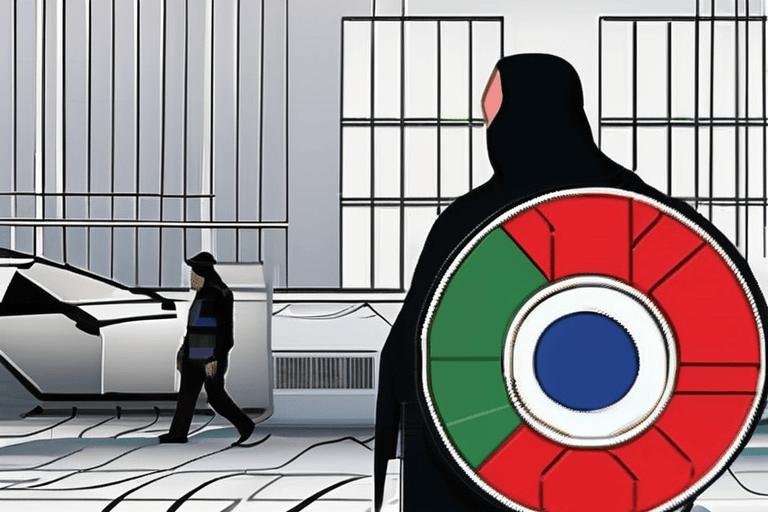
Iranian state television was hacked on January 20, 2026, displaying messages from the exiled son of the late Shah of Iran. The incident occurred amidst ongoing protests within the country, prompting Iranian authorities to launch an investigation to identify and apprehend those responsible.
According to Soraya Lennie, reporting on the incident, authorities are characterizing the individuals involved as spies and infiltrators who are accused of instigating chaos during the recent demonstrations. The specific methods used to breach the state broadcaster's security remain under investigation, but initial assessments suggest a sophisticated cyberattack.
The hacking incident raises concerns about the security infrastructure protecting Iranian state media. Experts in cybersecurity note that state-sponsored media outlets are often high-value targets for groups seeking to disrupt government messaging or promote dissenting views. "Attacks of this nature demonstrate the increasing vulnerability of broadcast systems to determined actors," stated a security analyst who requested anonymity due to the sensitivity of the matter.
The incident comes at a time of heightened political tension in Iran, with widespread protests fueled by economic grievances and calls for political reform. The appearance of messages from the exiled son of the Shah is particularly significant, given the historical context and the symbolic weight of the former monarchy.
Iranian authorities have not yet released specific details about the tools or techniques employed in the attack. However, they have indicated that they are working to enhance the security of state-controlled media outlets to prevent future incidents. The investigation is ongoing, and authorities are appealing to the public for any information that may assist in identifying the perpetrators. The long-term impact of the hack on public trust in state media and the government's ability to control the flow of information remains to be seen.















Discussion
Join the conversation
Be the first to comment